
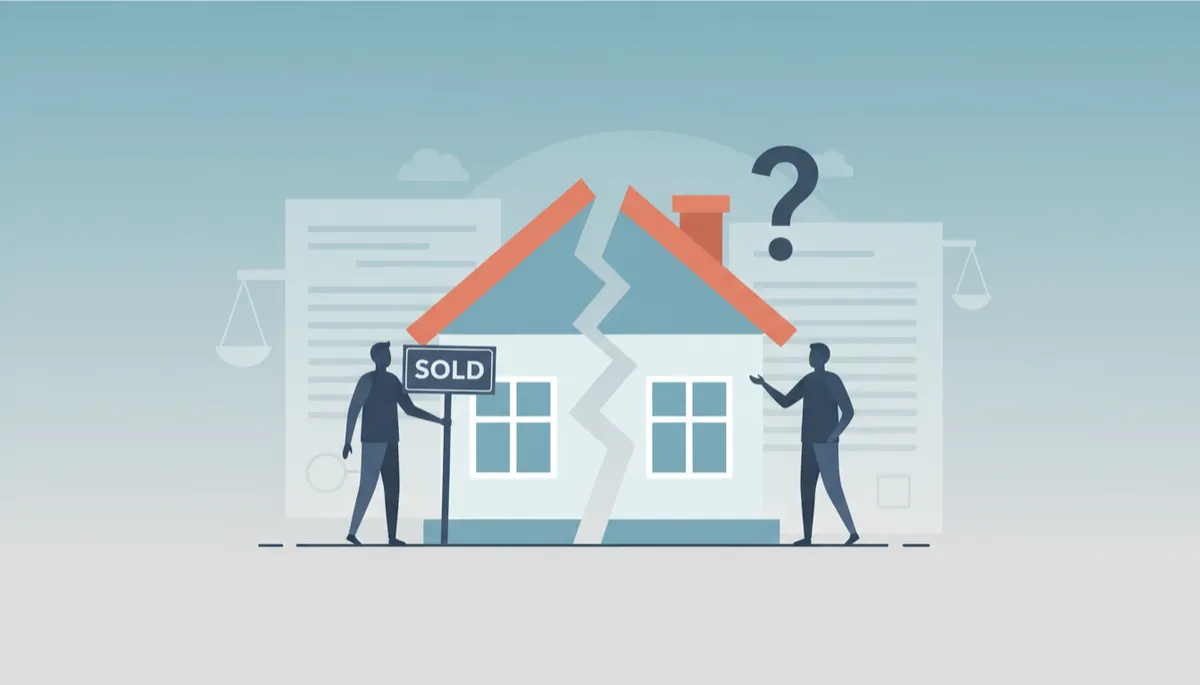
Can One Spouse Sell the House During Divorce?
Divorce, Real Estate, Family Law
Can One Spouse Sell the House Without the Other During a Divorce?
When a marriage ends, the family home is often the biggest asset and the biggest source of stress. Working with an experienced real estate group like The Mike Webb Team while you learn whether one spouse can sell the house without the other’s consent during a divorce can help you protect both your rights and your peace of mind.
The Short Answer: It Depends on Ownership and Local Law
Whether one spouse can sell the house alone during a divorce usually comes down to three key factors: how the home is titled, your state’s property laws, and the status of the divorce case. In many situations, the answer is no—one spouse cannot simply list and sell the home without the other’s involvement. But there are important exceptions and protections you should know about.
How the Home Is Titled: Joint vs. Sole Ownership
Start by looking at the deed. The name or names on the deed help determine who has the legal authority to sign a sales contract and transfer title.
Both spouses on the deed: In most cases, both must sign to sell. A buyer and title company will typically require signatures from all owners to complete the transaction, making it difficult for one spouse to sell behind the other’s back.
Only one spouse on the deed: That spouse generally has more control and may be able to sign a listing agreement or sales contract alone. However, divorce and marital property rules can still give the other spouse significant rights in the home’s value, even if their name isn’t on the title.
💡 Pro Tip: Don’t assume you have no rights just because your name isn’t on the deed—or total control just because it is. Marital property laws often override what’s printed on the title. Working with a family law attorney and a knowledgeable real estate team like The Mike Webb Team can help you understand what the deed really means for your options.
Marital Property vs. Separate Property
Most states treat a home bought during the marriage with marital funds as marital property, regardless of whose name is on the deed. That means both spouses usually have a financial interest in the equity, and a court will divide that interest during the divorce. A spouse who tries to sell the home unilaterally may be violating the other’s marital property rights.
A home may be considered separate property if it was owned by one spouse before the marriage, inherited, or received as a gift. Even then, if marital money was used to pay the mortgage or make improvements, the other spouse may still have a claim to part of the value. A court can factor that in when dividing assets, even if only one spouse technically owns the house. Partnering with The Mike Webb Team and your attorney can make it easier to document these contributions and present a clear picture to the court.
Court Orders and Automatic Restraining Provisions
In many states, filing for divorce triggers automatic temporary orders that prevent either spouse from selling, transferring, or hiding major assets—including the family home—without the court’s permission or the other spouse’s written consent. These rules are designed to keep the playing field fair while the case is pending.
If such an order is in place, a spouse who tries to sell the house alone may be in contempt of court. A judge could undo the sale, award more of the remaining assets to the other spouse, or impose other penalties. Buyers and real estate professionals are also wary of transactions involving an active divorce without clear consent from both parties. Consulting with your lawyer and a trusted local real estate group like The Mike Webb Team before taking any action can help you avoid costly missteps.

Courts often restrict major asset sales during divorce to protect both spouses’ interests.
What If One Spouse Tries to Sell Anyway?
If you suspect your spouse is trying to sell the house without your consent, act quickly:
Contact a family law attorney to review your rights and any existing court orders.
Ask the court for an order preventing the sale or freezing the proceeds until the divorce is resolved.
Notify any real estate agent or potential buyer, in writing, that a divorce is pending and you do not consent to the sale.
Even if a sale somehow goes through, courts can often address it later by awarding you a larger share of the remaining assets or, in some cases, challenging the validity of the transaction. Having an experienced advocate like The Mike Webb Team on the real estate side can make it easier to pause questionable activity and protect your equity while the legal issues are sorted out.
When the Court May Order a Sale of the House
Sometimes, neither spouse wants to sell—or one wants to keep the home and the other wants it sold. In those situations, the court can step in. A judge may order the house to be sold and the proceeds divided, or allow one spouse to buy out the other’s interest. If the court orders a sale, both spouses must cooperate, even if one disagrees with the decision.
Protecting Yourself and Moving Forward
In most divorces, one spouse cannot freely sell the house without the other’s knowledge and cooperation, especially once the case is filed and the court is involved. But the exact rules vary by state, and the details of your situation—title, timing, and court orders—matter a great deal.
If the future of your home is uncertain, speak with a local family law attorney and, ideally, a real estate professional who understands divorce sales. With the right guidance, you can avoid surprises, safeguard your share of the equity, and make a plan that supports your financial future after the divorce is final. A dedicated team like The Mike Webb Team can help you evaluate your options, coordinate with your attorney, and navigate the sale or retention of the property with as little added stress as possible.