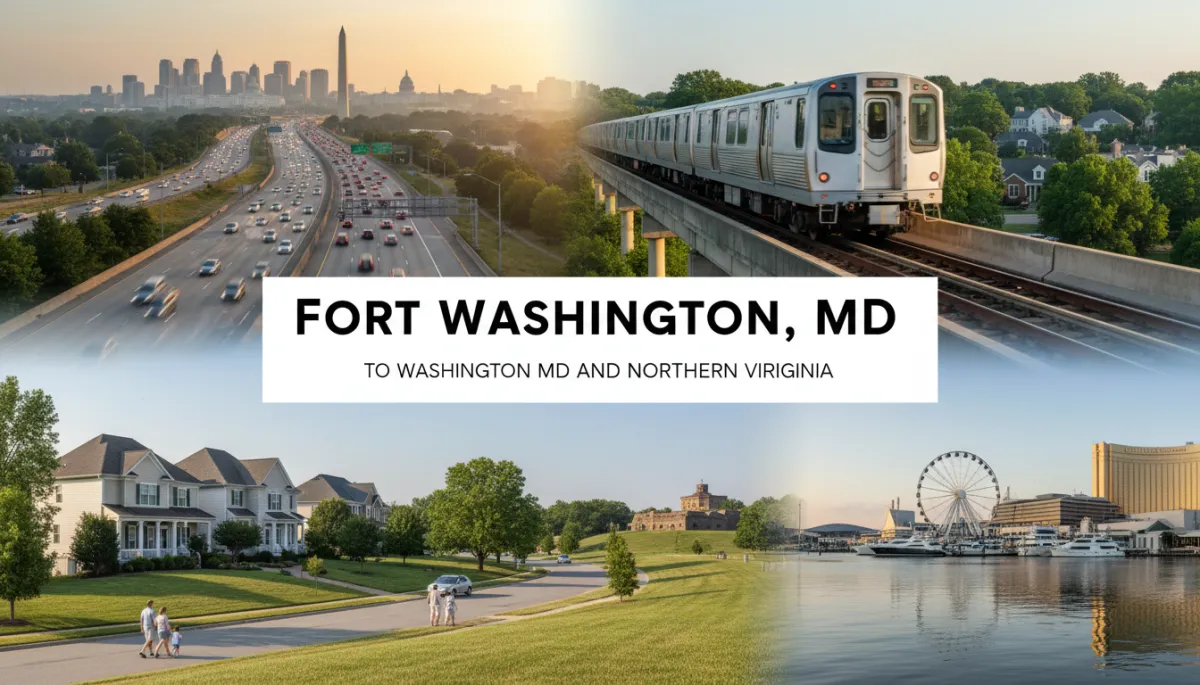
Fort Washington Commute Guide for Homeowners
Real Estate, Fort Washington Commute, Washington DC Traffic
Fort Washington to DC and Northern Virginia: A Practical Commute Guide for Homeowners
Thinking about living in Fort Washington but working in Washington, DC or Northern Virginia? This guide from The Mike Webb Team walks through real-world commute options, drive times, and lifestyle advantages so you can plan your move with confidence and clear expectations.
Typical Drive Times from Fort Washington
From most neighborhoods in Fort Washington, commuting by car into the city or across the river is very achievable with thoughtful planning. Under normal conditions, you can expect:
Downtown Washington, DC: Roughly 30–45 minutes in light to moderate traffic, and 45–60 minutes during peak rush, according to typical ranges seen on Google Maps (source: Google Maps).
Capitol Hill / Navy Yard: 30–50 minutes depending on time of day and events at the Capitol or Nationals Park.
Alexandria, VA: 20–35 minutes via the Woodrow Wilson Bridge, longer with heavy Washington, DC traffic.
Arlington / Pentagon / Crystal City: Typically 30–45 minutes, but can stretch past 60 minutes in severe congestion.
Commute times vary by departure time, weather, and incidents on MD‑210 or I‑495, so building in a buffer—especially for morning meetings—is a wise habit that many experienced Fort Washington commuters rely on.
Major Roads and Typical Routes to Popular Destinations
Most drivers rely on a handful of key corridors when commuting from Fort Washington:
MD‑210 (Indian Head Highway): The primary north–south artery connecting residential streets to the Capital Beltway (I‑495).
I‑495 / I‑95 (Capital Beltway): Links Fort Washington to the Woodrow Wilson Bridge, Alexandria, and other Northern Virginia job centers.
Woodrow Wilson Bridge: Essential for reaching Alexandria, Arlington, and beyond.
For specific destinations, a few sample routes:
To Downtown DC: MD‑210 north to I‑295 or I‑495, then toward the 14th Street Bridge or South Capitol Street, depending on your office location.
To Alexandria / Old Town: MD‑210 to I‑495 eastbound, crossing the Woodrow Wilson Bridge and exiting into Alexandria’s riverfront area.
To Arlington / Pentagon: MD‑210 to I‑495, over the Woodrow Wilson Bridge, then I‑395 north toward the Pentagon and Pentagon City.
📌 Key Takeaway: Knowing your primary route—and a reliable backup—before you move can make your Fort Washington commute feel far more manageable from day one.
Metro and Bus Options from Fort Washington
While there is no Metrorail station directly in Fort Washington, residents still have viable commuting options via Metrobus and the Green Line. The primary transit link is Metrobus Route P97 (Southern Avenue–Fort Washington Line), which connects the Fort Washington Park & Ride to Southern Avenue station on the Green Line (source: WMATA, en.wikipedia.org).
Weekday-only service, generally from about 4:30 a.m. to 7:30 p.m.
Buses run every 20–30 minutes during rush hours and about once an hour midday, with a roughly 45‑minute ride to Southern Avenue.
From Southern Avenue, riders can transfer to the Green Line toward downtown DC, Navy Yard, or transfer hubs. Prince George’s County’s TheBus P95 provides additional local service, though it is less direct. Expect total transit times of approximately 60–90 minutes door to door, depending on transfers and walking time (source: WMATA).
💡 Practical Tip: Use a SmarTrip card for seamless payment across Metrobus and Metrorail, and check WMATA’s Trip Planner before early-morning or late-afternoon commutes so you are not surprised by service changes.
Traffic Considerations and Smart Planning
Like most of the region, Washington, DC traffic can be unpredictable. MD‑210, the Capital Beltway, and the Woodrow Wilson Bridge are all prone to slowdowns during peak hours, especially 7:00–9:00 a.m. and 4:00–6:30 p.m. To stay ahead of conditions, residents frequently rely on:
Maryland 511 and Virginia 511 for live incident reports, construction updates, and camera feeds (sources: MDOT, VDOT).
Navigation apps like Google Maps or Waze for real-time rerouting around crashes or lane closures.
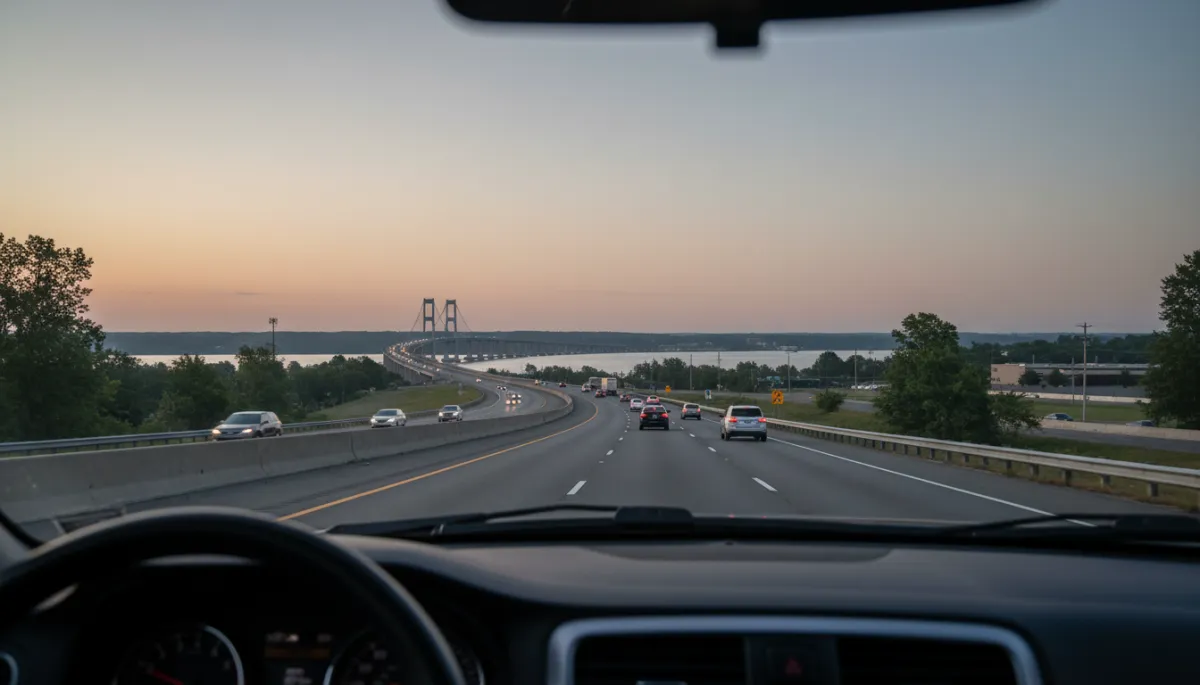
Leaving 20–30 minutes earlier often turns a stressful commute into a smooth drive.
💡 Pro Tip: Many Fort Washington homeowners build a “flex window” into their schedule—aiming to arrive early and using any extra time for email, coffee, or a short walk near the office.
Advantages of Living in Fort Washington
For many families comparing DC or Northern Virginia housing with Maryland suburbs, Fort Washington offers a compelling value proposition. The Fort Washington housing market is known for larger single-family homes, generous yards, and mature trees—often at a lower price per square foot than comparable properties closer to downtown or in Arlington and Alexandria.
Outdoor recreation is another major advantage. Fort Washington Park provides historic riverfront views, walking trails, and picnic areas. Just up the road, National Harbor and MGM National Harbor offer dining, entertainment, shopping, and year-round events—all only a short drive from most neighborhoods. This blend of space, amenities, and access is a key reason many homeowners choose to stay in Fort Washington even when their careers shift toward DC or Northern Virginia.
“When families see how much more home and yard they can enjoy in Fort Washington—without giving up access to DC and Northern Virginia—it often becomes an easy decision.”
— The Mike Webb Team
Practical Commuting Tips from Local Experience
As real estate advisors, The Mike Webb Team regularly helps clients weigh commute realities alongside home features and budget. A few practical strategies we see working well:
Shift your schedule slightly. Starting your day 30 minutes earlier can significantly reduce time spent on MD‑210 and the Beltway.
Use park-and-ride and Metro on high-traffic days. When major incidents are reported, combining the P97 bus with Metrorail can be more predictable than driving the entire way.
Plan errands around your route. Many residents stop at National Harbor on the way home for groceries, dinner, or entertainment, turning part of the commute into quality time.
📌 Key Takeaway: Small adjustments—like flexible hours, hybrid work, or batching errands—can make Fort Washington feel even more convenient for DC and Northern Virginia professionals.
Balancing Commute and Lifestyle in Fort Washington
Choosing Fort Washington means choosing space, community, and riverfront recreation, while still maintaining practical access to DC and Northern Virginia job centers. With realistic expectations about drive times, a clear understanding of commuting optionsin MD, and smart use of traffic tools, many families find the trade-off well worth it.
If you are evaluating Fort Washington housing market options or comparing them to Northern Virginia housing, The Mike Webb Team is here to provide clear, trustworthy guidance. We help homeowners and buyers understand both the lifestyle and the logistics—so your next move supports your daily commute, your weekends at Fort Washington Park, and your long-term goals with less stress and more confidence.