Home Inspection Guide for Arlington, VA Buyers
Real Estate, Home Inspection, Arlington VA
What Does a Home Inspection Cover When Buying in Arlington, VA?
A home inspection in Arlington, VA typically covers the home’s visible and accessible structural components, roof, exterior, electrical system, plumbing, HVAC, attic and insulation, windows and doors, interior spaces, bathrooms, kitchen components, and installed appliances. The exact scope varies by property and inspector. Specialized testing such as radon, sewer, mold, chimney, or pest inspections may require separate services.
If you’re buying your first home, relocating to Arlington, or simply haven’t purchased in a while, knowing what an inspection does and doesn’t cover can make the process much less confusing.
What Does a Home Inspection Typically Cover?
A home inspection is primarily a visual evaluation of the accessible parts of a property. The goal is to help you better understand the home’s condition at the time of the inspection.
Here are some of the major areas typically evaluated.
Roof, Exterior, and Drainage
The inspector may examine accessible roof components, visible flashing, gutters, siding, trim, decks, porches, exterior doors, and windows.
Drainage matters too. The inspector may look for visible signs of water intrusion and conditions around the property that could affect how water drains away from the house.
Foundation and Structural Components
Inspectors visually evaluate accessible structural components, which may include the foundation, framing, walls, ceilings, and floors.
They’re looking for visible signs such as cracking, movement, sagging, moisture, or damaged materials that may warrant additional investigation.
Basements and crawl spaces, when safely accessible, can also provide important clues about moisture and the home's structure.
Electrical, Plumbing, and HVAC Systems
A Northern Virginia home inspection typically includes a visual review of accessible portions of these major systems.
For electrical systems, that can include the main panel, visible wiring, outlets, switches, and certain safety devices.
For plumbing, inspectors may operate fixtures and evaluate accessible supply and drain lines and the water heater.
Heating and cooling equipment may also be operated when conditions allow. An inspector can report what was observed but isn't guaranteeing how long a system will continue working.
Interior Spaces, Attic, and Insulation
Inside the home, inspectors may evaluate walls, ceilings, floors, stairs, railings, doors, and windows.
An accessible attic can provide information about insulation, ventilation, moisture, and visible roof conditions.
Bathrooms, kitchens, and certain installed appliances may also be checked for basic operation and visible concerns.
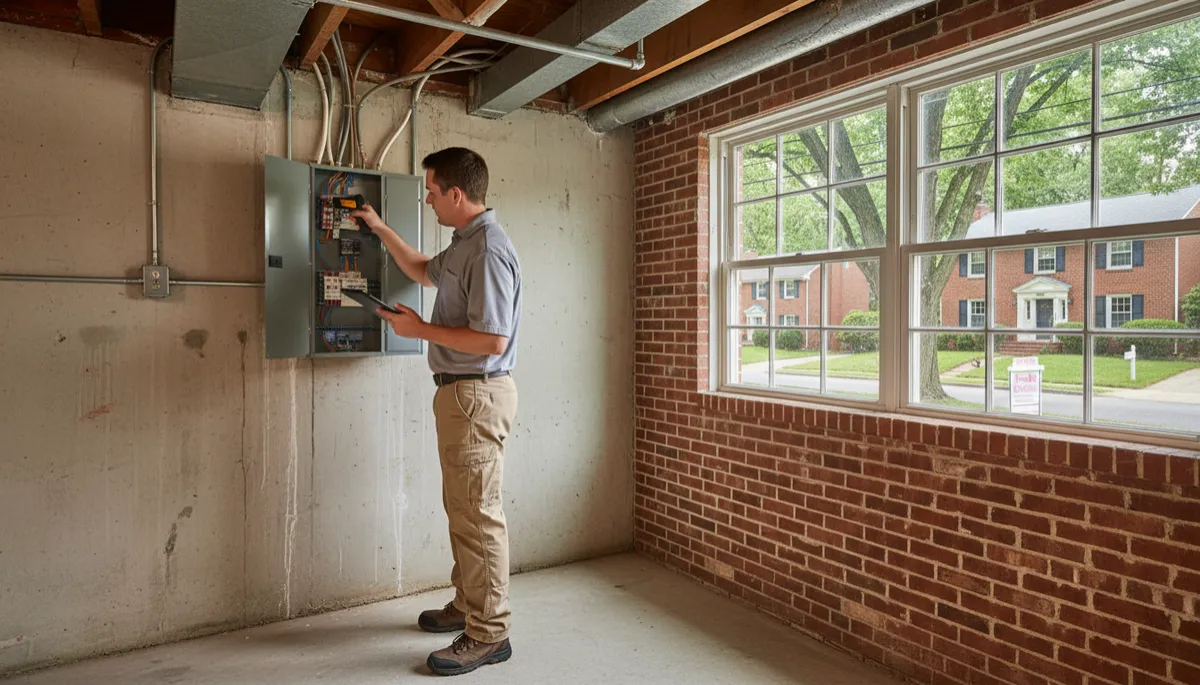
Inspectors visually check panels and outlets for safety concerns and obvious defects.
What Might Not Be Included in a Standard Home Inspection?
One thing buyers sometimes misunderstand is that a home inspection isn't an examination of absolutely everything.
It's generally visual and noninvasive. Inspectors aren't opening walls or taking a home apart to find hidden problems.
Depending on the property, you may want to ask about additional services such as:
Radon testing
Mold or air-quality evaluation
Sewer-line camera inspection
Chimney inspection
Pest or termite inspection
Other specialized environmental or property evaluations
That doesn't mean every Arlington buyer needs every test. The property's age, condition, systems, housing type, and your individual concerns can all affect what makes sense.
What Should Arlington Buyers Pay Particular Attention To?
This is where local context matters.
Arlington has everything from older brick single-family homes to renovated properties, townhomes, newer construction, and high-rise condos.
You'll find different housing types throughout areas such as Lyon Village, Bluemont, Ballston, Clarendon, Rosslyn, Columbia Pike, and Shirlington.
With an older home, the inspection may raise questions about aging systems, previous additions, electrical components, plumbing, drainage, or past renovations.
A renovated home still deserves a careful inspection. New finishes don't necessarily tell you what's happening with the older systems behind them.
Condos are different again. An inspection of an individual Arlington condo unit isn't the same as evaluating the entire building. Common areas and building systems may fall under an association, making the review of applicable condo documents another important part of the buying process.
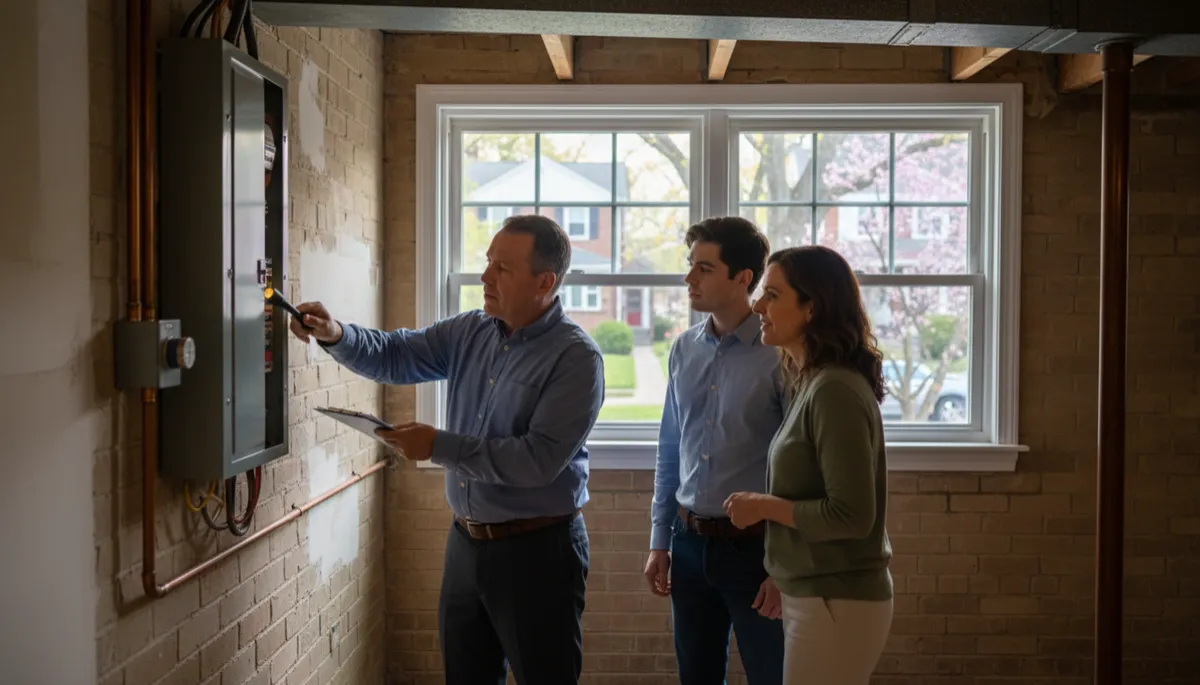
Attending the inspection helps buyers understand how the home’s systems work day to day.
The Mike Webb Team is a real estate team serving home buyers and sellers in Arlington, Virginia and throughout the DMV area. Helping buyers understand these differences is an important part of evaluating a property beyond its finishes and appearance.
What Happens After the Inspection?
Getting the report is only the beginning.
First, read it carefully. Inspection reports can look intimidating because inspectors document many things, including relatively minor maintenance items.
Next, separate significant concerns from normal upkeep. A loose handle and a potentially significant electrical concern aren't necessarily on the same level.
Ask questions when something isn't clear. Your inspector may be able to explain the finding, while certain issues may warrant evaluation by an electrician, plumber, structural engineer, contractor, or another appropriate specialist.
Then review your purchase agreement and any applicable inspection terms with the appropriate professionals.
What options are available after an inspection depend on the specific contract and circumstances. Don't assume every buyer automatically has the same ability to request repairs, seek concessions, renegotiate, or cancel.
Common Home Inspection Mistakes Arlington Buyers Make
One of the biggest mistakes is treating an inspection as a simple pass-or-fail test.
A home doesn't need to be perfect. In fact, most inspection reports will identify something.
Buyers can also get distracted by cosmetic issues while overlooking more significant concerns involving water, structure, electrical components, HVAC, plumbing, or roofing.
Another mistake is assuming that a renovated or newer property won't have issues. Age matters, but so does workmanship, maintenance, and the condition of individual systems.
Most importantly, ask questions. If you don't understand something in the report, don't guess.
Example: Buying an Older Home in Arlington
Imagine you're a first-time buyer considering an older brick home near Columbia Pike.
The inspection identifies an aging roof, older plumbing components, a few electrical concerns, and smaller maintenance items such as loose handrails and deteriorated caulk.
Seeing everything together in a long report can feel overwhelming.
A practical approach is to sort those findings into categories: potential safety concerns, items requiring specialist evaluation, near-term repairs, longer-term planning, and routine maintenance.
You can then ask the inspector for clarification and bring in appropriate specialists when needed.
Instead of viewing the report as a list of reasons not to buy the house, you're using it for what it's designed to do: helping you better understand the property you're considering.
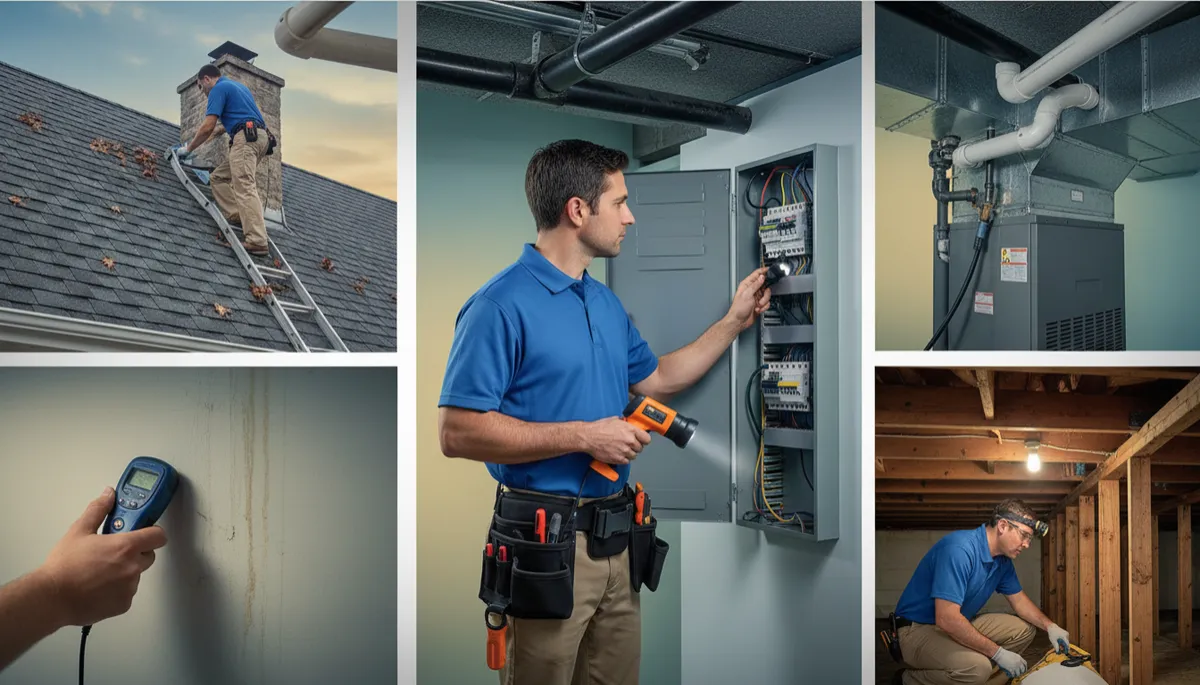
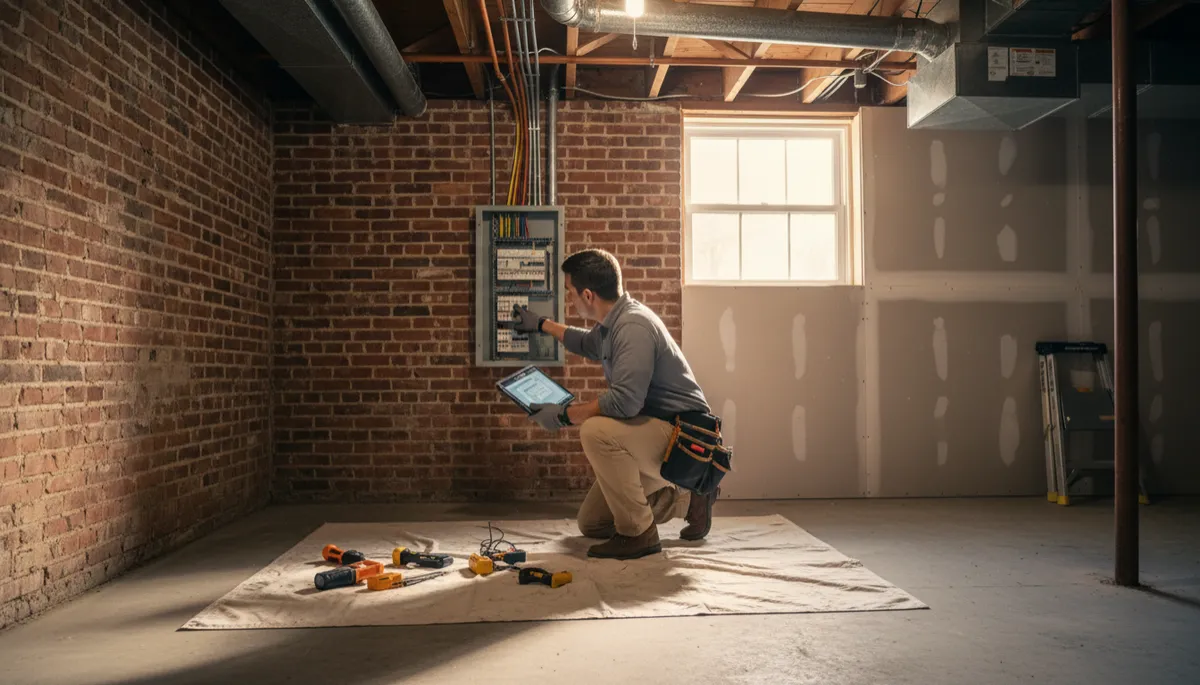
Arlington’s mix of older homes and newer construction makes every inspection a bit different.
Home Inspection FAQs for Arlington, VA Buyers
How long does a home inspection take in Arlington, VA?
Many inspections take roughly two to four hours, although the size, age, condition, and complexity of the property can affect the timing.
Should I attend the inspection?
When possible, attending can be helpful. You may be able to see findings firsthand, ask questions, and learn more about the home's systems.
Should I get an inspection when buying an Arlington condo?
Many condo buyers choose to have their individual units inspected. Keep in mind that an inspection of the unit doesn't necessarily evaluate the condition of the entire condominium building or its common elements.
What if the inspector discovers a major problem?
You may need additional information from an appropriate specialist. Your available options will depend on your purchase agreement, inspection terms, and specific circumstances.
Is a home inspection required when buying a home in Virginia?
Whether an inspection is required can depend on the transaction and circumstances. Buyers should review their specific requirements rather than assuming every purchase works the same way.
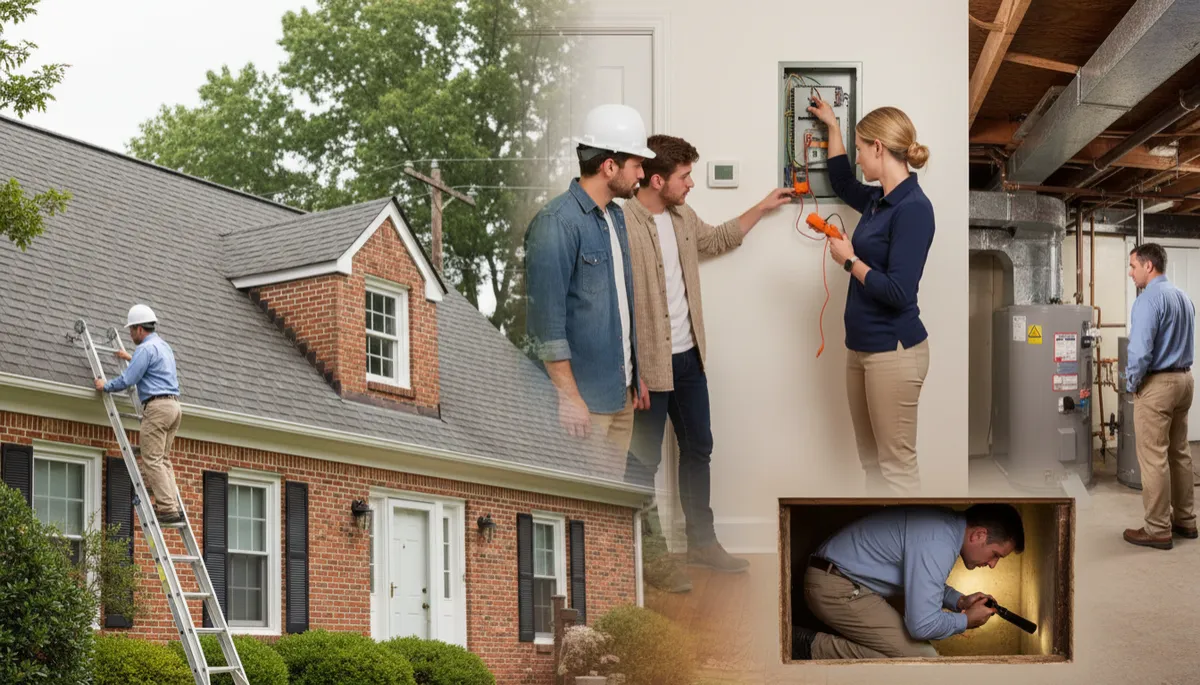
A clear, written report helps Arlington buyers make confident next-step decisions.
Buying a Home in Arlington or the DMV?
A home inspection can give you valuable information, but the report is most useful when you understand what the findings mean for the particular property you're considering.
The Mike Webb Team is an Arlington, VA real estate team helping first-time buyers, experienced buyers, and people relocating to Arlington and the broader DMV area navigate the home-buying process.
If you're thinking about buying in Arlington or elsewhere in the DMV, we'd be happy to help you understand the process in plain language.
The Mike Webb Team
Real Estate Team serving Arlington, VA and the DMV area
claudiawebb.com
703-350-3884