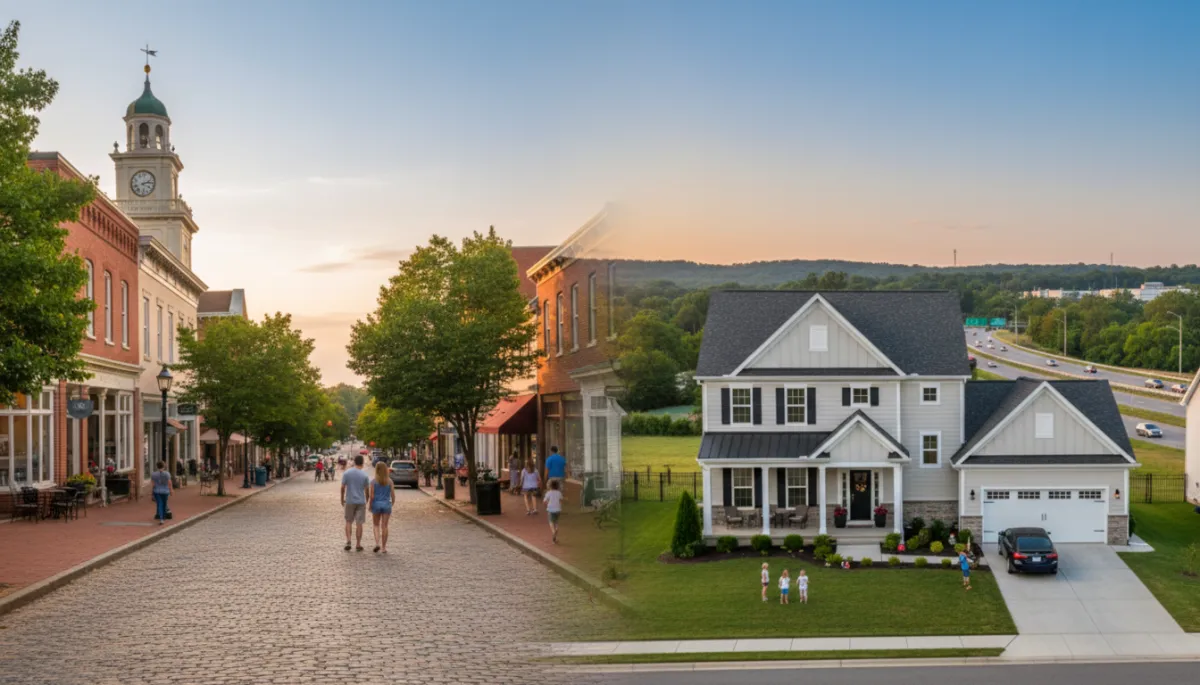
Is Manassas VA a Good Place to Live? Insights
Real Estate, Manassas VA, Northern Virginia Housing
Is Manassas VA a Good Place to Live? A Local Perspective for Homebuyers
Considering a move to Manassas VA and wondering if it is truly a good place to live? This in-depth guide offers a clear, local-style perspective on Living In Manassas, from housing and commuting to schools, amenities, and the character of its family-friendly neighborhoods and Historic Downtown Manassas.
1. Is Manassas VA a Good Place to Live?
For many homebuyers, especially families and move-up buyers in the Northern Virginia Housing market, Manassas VA strikes a valuable balance: relative affordability compared with closer-in suburbs, a strong sense of history and community, and expanding transportation options. While every move is personal, the data and day-to-day experience suggest that Manassas can be a very good place to live if you are seeking suburban comfort with access to the broader Washington, D.C. region.
As of mid‑2026, home values in Manassas remain competitive within Northern Virginia. Redfin reports a median sale price around $491,700, up roughly 5.7% year‑over‑year, while Zillow’s Home Value Index sits closer to $561,700 with homes often going under contract in about a week. Realtor.com notes a median listing price near $577,450 and a median sold price around $554,450, with homes typically on the market about three weeks. Together, these figures paint a picture of a market that is active but gradually becoming more balanced, giving both buyers and sellers room to make thoughtful decisions rather than rushed ones.
Beyond the numbers, residents value Manassas for its walkable Historic Downtown Manassas, local events on the train station lawn, and a variety of parks and master‑planned communities. At the same time, it is important to approach the decision with clear expectations around commuting, school choices, and neighborhood character—areas where a trusted local real estate advisor, such as The Mike Webb Team, can help you evaluate trade‑offs with confidence and clarity.
2. A Local Perspective for Homebuyers: What to Expect Day to Day
From a local-style perspective, Living In Manassas feels distinctly different from denser inner‑beltway communities. Streets are more tree‑lined than high‑rise, weekend errands often involve local shops rather than mega‑centers, and neighbors tend to know each other—especially in established subdivisions and townhome communities. For families “moving forward” from a condo or townhouse closer to D.C., Manassas often provides the next logical step: more space, a yard, and a quieter pace without disconnecting from regional employment centers.
The Mike Webb Team frequently works with homeowners who are selling a starter home elsewhere in Northern Virginia to buy a larger home in Manassas. These families typically prioritize three main factors: predictable commuting options, strong family-friendly neighborhoods, and the lifestyle offered by Historic Downtown Manassas and surrounding amenities. Understanding how these pieces fit together is key to deciding whether Manassas aligns with your next chapter.
📌 Key Takeaway: Think of Manassas VA as a “space and stability” upgrade within the Northern Virginia Housing market—ideal for buyers who want more home and community feel, while still staying within commuting reach of D.C. and major job centers.
3. Manassas VA in the Northern Virginia Housing Context
When you zoom out to the broader Northern Virginia Housing picture, Manassas occupies a strategic middle ground. It is farther out than Arlington, Alexandria, or Fairfax, but typically more affordable and less congested. Regional forecasts for 2026 suggest moderate price growth, mortgage rates hovering around 6%, and rising inventory—conditions that support a more balanced market across Northern Virginia. In Prince William County, including Manassas, inventory has climbed by nearly 30% in some recent reports, giving buyers more choice than they have had in years while sellers still benefit from steady demand.
For move‑up buyers, this environment can be an opportunity. If you are selling a home in a closer‑in suburb, you may be able to unlock considerable equity, then purchase a larger home in Manassas, VA with relatively manageable competition. The Mike Webb Team often helps clients time both sides of this move—positioning the existing home for maximum value while negotiating effectively on a new purchase in Manassas, so the transition feels organized rather than overwhelming.
Price Points and Property Types You Will See
In practice, buyers exploring Living In Manassas will encounter a range of options:
Historic and character homes near Historic Downtown Manassas, often with charming architecture, porches, and walkable access to restaurants and the VRE station, with many homes trending around or above the $600,000 mark depending on size and updates.
Established single‑family neighborhoods such as Wellington and Point of Woods, with homes frequently in the $500,000 to $700,000 range, community pools, trails, and neighborhood schools.
Master‑planned communities in the broader Manassas area, including the Bristow and Linton Hall corridor, where newer homes and robust amenities can push average prices into the $800,000 range and beyond, especially in popular subdivisions such as Braemar and Kingsbrooke.
There are also more affordable townhome and condo options in and around Manassas, which can be appealing to first‑time buyers or downsizers who want to stay close to family but simplify maintenance. A tailored conversation with a local advisor can help you match your budget and lifestyle goals to the right pocket of the market.
4. Living In Manassas: Lifestyle, Amenities, and Community Feel
Day‑to‑day Living In Manassas offers a blend of small‑city convenience and suburban calm. You will find local grocery stores, regional shopping at Manassas Mall, and a growing collection of restaurants and breweries, many of which are concentrated near Historic Downtown Manassas. The city hosts seasonal events, farmers markets, and festivals that consistently draw families to the town square and train station lawn, reinforcing a sense of community that many buyers specifically seek out when leaving more transient urban areas.
Outdoor recreation is another strong point. Families can access numerous parks, sports fields, and trails, as well as regional attractions such as Manassas National Battlefield Park. Neighborhoods like Sumner Lake feature water views, walking paths, and community pools, providing a resort‑style feel without leaving home. For many of the families The Mike Webb Team advises, these amenities—combined with the ability for children to ride bikes on neighborhood streets and walk to nearby playgrounds—are pivotal in deciding that Manassas VA is the right place to put down deeper roots.
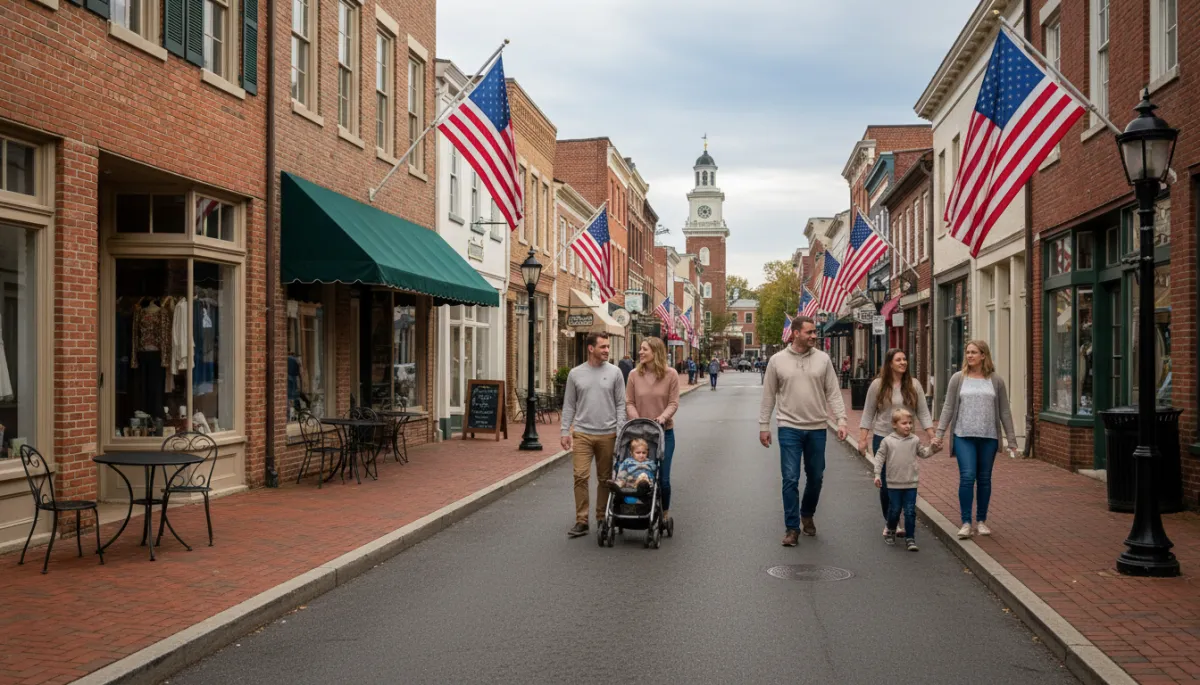
Historic Downtown Manassas blends local shops, dining, and events into a walkable community hub.
5. Family-Friendly Neighborhoods in and Around Manassas VA
For many buyers evaluating whether Manassas VA is a good place to live, the quality and feel of family-friendly neighborhoods is the deciding factor. Recent rankings and local feedback highlight several communities that consistently stand out for safety, amenities, and neighborly atmosphere.
Highly Rated Neighborhoods for Families
Wellington: An established single‑family neighborhood with pools, walking trails, and community events. Homes often range from $500,000 to $700,000, and the area is consistently praised for its family‑oriented vibe and convenient access to schools and shopping.
Point of Woods: Located in southwestern Manassas, Point of Woods offers tree‑lined streets, a peaceful atmosphere, and a strong sense of community. Residents frequently highlight its quiet character and family‑friendly feel in local forums.
Campbell’s Trace & Baldwin District: Ranked highly by neighbors for affordability, friendliness, and family‑friendliness, these communities appeal to buyers who value a welcoming environment and walkable access to parks and schools.
Old Town Manassas & Surrounding Streets: For families who prioritize walkability and charm, the streets around Historic Downtown Manassas offer character homes, access to the VRE station, and a lively calendar of community events.
Broader regional analysis also highlights Timberlake, Rockwood, Huntington, and Broadlands as strong options for families, particularly when looking at safety, affordability, and air quality. In the nearby Bristow and Linton Hall corridor, master‑planned communities like Braemar, Kingsbrooke, and Victory Lakes offer pools, neighborhood schools, sidewalks, and playgrounds that many relocating families specifically request when they first contact The Mike Webb Team for guidance.
💡 Pro Tip: When evaluating family-friendly neighborhoods, visit at different times of day—after school, on weekends, and in the evening—to observe traffic, noise levels, and how neighbors use common areas such as parks and sidewalks.
6. Historic Downtown Manassas: Charm, Culture, and Everyday Convenience
Historic Downtown Manassas is often the “aha” moment for buyers who are on the fence about Living In Manassas. The district’s brick sidewalks, local boutiques, restaurants, and coffee shops create a walkable, small‑town atmosphere that can be hard to find elsewhere in Northern Virginia. The area hosts events ranging from holiday parades and outdoor concerts to farmers markets and art festivals, drawing residents from across the city and surrounding communities.
From a practical standpoint, Historic Downtown Manassas also serves as a transportation hub. The Virginia Railway Express (VRE) and Amtrak station sits at the heart of downtown, providing a direct rail connection for commuters heading into Washington, D.C., Arlington, and Alexandria. For homeowners, this combination of charm and functionality often adds long‑term value, especially as the city advances its Mobility Master Plan and invests in a future downtown mobility hub with integrated bus, rail, micromobility, and EV charging options.
7. Commuting From Manassas: Rail, Bus, and Driving Options
Commuting From Manassas is one of the most important considerations for buyers who work in D.C., Arlington, Tysons, or other Northern Virginia job centers. While commute times will vary based on your exact destination and schedule, Manassas offers a wider range of options than many similarly priced markets further from the core.
Virginia Railway Express (VRE) – Manassas Line
The VRE Manassas Line provides weekday rush‑hour rail service from Manassas to Washington, D.C., with stops at Burke Centre, Rolling Road, Backlick Road, and more, ultimately reaching L’Enfant Plaza and Union Station. Recent infrastructure upgrades and expanded parking in Manassas Park have improved capacity and convenience. For many professionals, VRE offers the most predictable and comfortable way to commute, allowing you to read, work, or simply decompress during the ride instead of battling traffic alone.
OmniRide, OmniLink, and Regional Buses
OmniRide Express buses connect Manassas to major employment hubs and Metro stations, including Tysons Corner and Franconia‑Springfield, making it easy to link into the broader Metrorail network. Local OmniLink routes serve everyday needs within Manassas and Manassas Park, and the Cross County Connector links downtown Manassas to Dale City and Potomac Mills. A pilot commuter bus from Manassas Park to Leesburg via Loudoun County Transit adds another option for regional commuters heading west rather than east.
Microtransit, Park-and-Ride, and Driving
OmniRide Connect microtransit provides on‑demand van service within Manassas and Manassas Park, helping with “last‑mile” connections or local errands. Numerous park‑and‑ride lots, such as the Portsmouth Road and Balls Ford commuter lots, support carpools, vanpools, and bus riders. For those who prefer to drive, major routes such as I‑66 and Route 28 offer access to D.C. and the broader region, though travel times can extend to 60–90 minutes during peak periods. Many residents choose a hybrid approach, driving to a park‑and‑ride or VRE station, then using rail or bus for the longer portion of the trip.
📌 Key Takeaway: Commuting From Manassas requires planning, but you have more options than in many outer‑suburban markets—particularly if you are open to combining rail, bus, and driving to suit your schedule.
8. Weighing Pros and Cons: Is Manassas Right for You?
Key Advantages of Living In Manassas
More home for your budget compared with many inner Northern Virginia communities, particularly for single‑family homes with yards and garages.
Strong sense of community in family-friendly neighborhoods and Historic Downtown Manassas, with frequent events and opportunities to connect with neighbors.
Diverse commuting options including VRE rail, OmniRide Express buses, microtransit, and park‑and‑ride lots supporting carpools and vanpools.
Rich history and culture with nearby battlefields, museums, and a historic core that adds long‑term character and appeal to the area.
Considerations and Trade-Offs
Longer commute times than closer‑in suburbs, especially if you drive during peak hours or have a job with irregular schedules that do not align with VRE service.
Market nuances by neighborhood—some ZIP codes and communities (such as 20112 or certain master‑planned areas) have seen faster price appreciation, which can affect affordability and competitiveness.
Need for clear expectations around schools, HOA rules, and local regulations, which can vary significantly from one subdivision to another.
None of these points are inherently positive or negative; they simply reflect the reality that every move involves trade‑offs. The question is whether the advantages of space, community, and value in Manassas VA align with your family’s priorities and long‑term plans.
9. How The Mike Webb Team Helps Families Move Forward in Manassas
Deciding whether Manassas VA is a good place to live is ultimately about clarity—clarity on your budget, your commute, your preferred family-friendly neighborhoods, and the lifestyle you want over the next five to ten years. The Mike Webb Team is dedicated to helping homeowners and homebuyers move forward with that clarity, combining up‑to‑date market data with practical, local insight so you can make decisions confidently rather than reactively.
For sellers, that means positioning your current home—wherever it is in Northern Virginia—to maximize value and minimize stress, then coordinating timelines so your purchase in Manassas aligns smoothly. For buyers, it means walking through neighborhoods together, comparing commuting scenarios, and reviewing recent sales so that when you write an offer, you feel informed and in control. The goal is not just to help you buy a house in Manassas, but to help you choose a home and community that truly support your next chapter.
💡 Pro Tip: Before you start touring homes, sit down with a trusted advisor to map out your “must‑haves,” “nice‑to‑haves,” and “deal breakers” for both the home and the neighborhood. This simple step can save you time, stress, and second‑guessing later in the process.
10. Final Thoughts: Is Manassas VA a Good Place to Live for You?
Taken together—market data, neighborhood options, commuting choices, and daily lifestyle—Manassas VA offers a compelling answer for many families: yes, it can be a very good place to live. It provides more space and stability than many closer‑in areas of Northern Virginia, while still keeping you connected to the region’s economic opportunities and cultural amenities. Its Historic Downtown Manassas, family-friendly neighborhoods, and evolving transportation network position it as a strong choice for homeowners who are ready for their next step forward.
At the same time, every family’s situation is unique. The right decision depends on your commute, your children’s needs, your budget, and your long‑term goals. If you are considering Living In Manassas or selling a home elsewhere in Northern Virginia to move here, The Mike Webb Team is here to provide the expert guidance, clear communication, and calm, professional support you need to move forward with confidence and less stress.