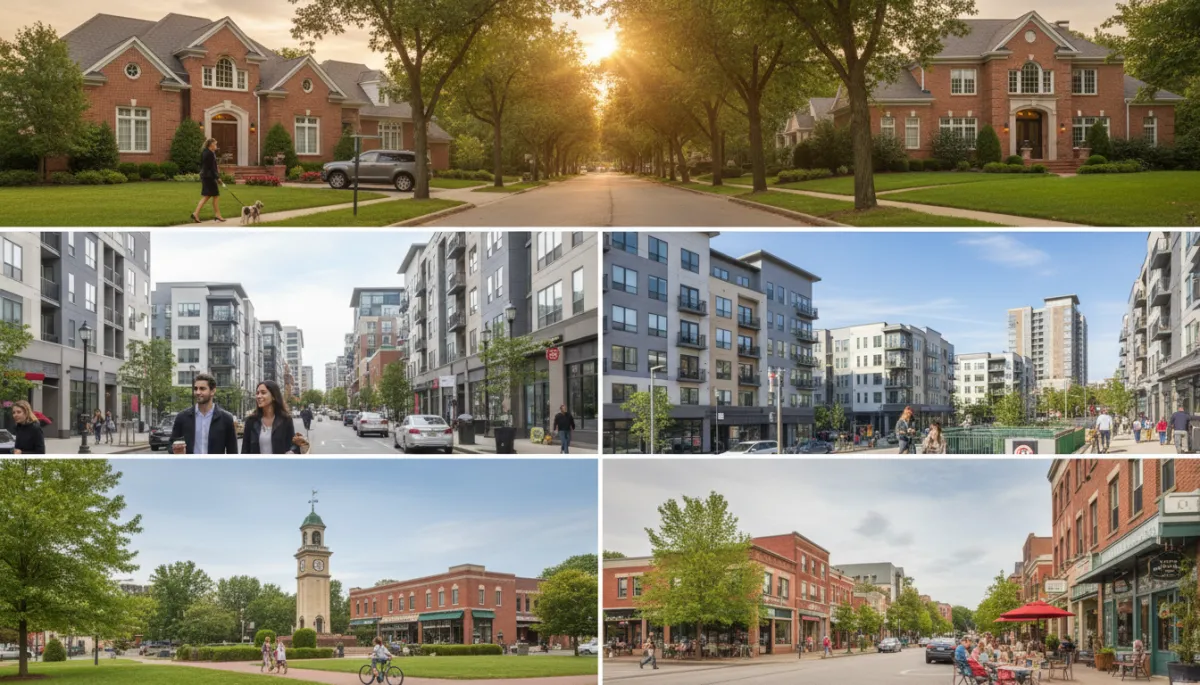
McLean vs. Arlington vs. Vienna: Find Your Best Fit
Real Estate, McLean VA, Arlington VA, Vienna VA, Relocation Guide
McLean vs. Arlington vs. Vienna, VA: Which Northern Virginia Community Fits Your Lifestyle?
Choosing between McLean, Arlington, and Vienna is less about finding the “best” place and more about finding the right fit for your family’s lifestyle, budget, and long‑term plans. As The Mike Webb Team, we work every day with homeowners and buyers who are weighing these exact options. This guide offers a clear, side‑by‑side look at lifestyle, housing, schools, commutes, and current real estate trends so you can move forward with confidence—not guesswork.
Big Picture: How McLean, Arlington, and Vienna Feel Day to Day
All three communities sit in highly desirable Fairfax and Arlington counties, with strong schools and access to Washington, DC. Yet they offer noticeably different rhythms of life. Understanding those differences is the first step toward a confident decision—especially if you plan to sell one home and buy your next with a longer‑term horizon in mind.
McLean: Quiet, Upscale, and Estate‑Oriented
McLean is known for its leafy streets, large homes, and a distinctly upscale, residential feel. You will find everything from classic colonials to new‑build luxury estates, especially in central McLean (22101) and Tysons‑adjacent neighborhoods (22102). Many residents are senior government officials, executives, and professionals who value privacy, space, and proximity to DC without the intensity of a true urban core. Shopping and dining are anchored by Tysons Corner and Tysons Galleria, with smaller village‑style centers throughout McLean itself.
Arlington: Urban Energy with Suburban Comforts
Arlington blends city conveniences with suburban stability. Along the Rosslyn–Ballston corridor, you will see high‑rise condos, mixed‑use developments, and a strong restaurant and nightlife scene. Further out—such as in Arlington Forest or Lyon Village—you get tree‑lined streets and single‑family homes, yet you remain minutes from Metro, bike trails, and downtown DC. Arlington’s county profile highlights a strong economy, excellent schools, and a deliberate focus on sustainability and walkability, which continues to shape new projects and infrastructure through 2026 and beyond.
Vienna: Small‑Town Charm with Big‑City Access
Vienna offers a distinct small‑town main‑street atmosphere within one of the country’s largest school systems. Historic Church Street, local festivals, and neighborhood parks create a strong sense of community. At the same time, the Vienna/Fairfax–GMU Metro Station connects residents directly to Arlington, Tysons, and DC. Many families choose Vienna for its balance: quieter than Arlington, generally more modestly priced than McLean’s core luxury pockets, yet still deeply connected to regional job centers and amenities.

Walkable town centers in Arlington and Vienna support an active, community‑focused lifestyle.
Lifestyle Differences: Pace, Amenities, and Community Feel
McLean Lifestyle: Privacy, Space, and Upscale Conveniences
Daily life in McLean is relatively quiet and residential. Many homes sit on larger lots, with mature trees and cul‑de‑sacs that encourage biking and play. Residents often drive to errands, though Tysons brings high‑end shopping, dining, and entertainment within a short radius. With fewer high‑rise clusters than Arlington, evenings tend to be calmer; think backyard gatherings, youth sports, and neighborhood events rather than nightlife. This suits families and professionals who prefer a retreat‑like home base after busy days in DC or Tysons.
Arlington Lifestyle: Active, Walkable, and Transit‑Oriented
Arlington’s lifestyle skews more urban and energetic. Many residents live within walking distance of Metro stations, bike lanes, and trails like the Custis and W&OD. The county’s official vision for 2026 emphasizes sustainable growth, enhanced public transportation, and expanded housing options—supporting a car‑optional lifestyle for many households. Cafés, coworking spaces, and restaurants are woven into residential blocks, making it easy to socialize without getting in the car. This appeals strongly to young professionals, dual‑career couples, and downsizers who value convenience and connectivity.
Vienna Lifestyle: Community‑Centered and Family‑Focused
Vienna’s lifestyle is often described as community‑oriented and family‑friendly. Local parades, farmers’ markets, and youth sports are part of the fabric of daily life. The W&OD Trail runs right through town, supporting biking and jogging culture. While there are restaurants and cafés, Vienna’s evenings are generally quieter than Arlington’s. Residents often choose it for its blend of small‑town charm, strong schools, and flexible commute options via I‑66, Route 123, and the Vienna Metro station.
💡 From The Mike Webb Team: If you picture your ideal weekend as brunch and a show, Arlington may feel like home. If it’s backyard barbecues and room for a playset, McLean or Vienna may be more aligned with your lifestyle.
Housing and Typical Residents: Who Lives Where—and in What?
McLean Housing and Residents
McLean’s housing stock skews toward detached, higher‑priced homes, with a meaningful luxury segment. Recent data show:
Average home value around $1.49M, with modest year‑over‑year appreciation (Zillow, May 2026).
Median sale price near $1.95M, up roughly 9–10% year‑over‑year, and median listing prices closer to $2.8M in some reports (Redfin, Realtor.com, 2026).
Entry‑level pockets like 22043 (Pimmit Hills/Idylwood) are closer to $1.0–$1.3M, while central 22101 regularly sees $2M+ sales.
Typical residents include senior federal employees, diplomats, executives, and long‑time homeowners who have built substantial equity. Many are move‑up buyers seeking more space, as well as established families prioritizing top schools and a quieter environment. For sellers, this means McLean buyers often have clear expectations around quality, condition, and amenities—professional guidance on pricing and presentation is essential to capture strong offers in a discerning market.
Arlington Housing and Residents
Arlington offers a diverse mix of condos, townhomes, and single‑family houses. Along Metro corridors, you will find high‑rise and mid‑rise condos ideal for those prioritizing walkability and shorter commutes. In more residential neighborhoods, older bungalows and colonials sit alongside newer infill construction. Realtor.com data in recent years has placed the typical Arlington sale price around the mid‑$700,000s, with competitive bidding and frequent multiple offers, especially for well‑located homes near transit.
Residents range from early‑career professionals and military personnel to long‑term homeowners and downsizers who want to stay close to DC without city living. The county’s strong job base in government, tech, and consulting helps support steady demand for both ownership and rental housing, and its forward‑looking 2026 vision points to continued higher‑density, mixed‑use development in key corridors.
Vienna Housing and Residents
Vienna’s housing stock includes mid‑sized single‑family homes, some townhomes, and a limited number of condos. Many properties are on manageable lots, with a mix of older homes and newer tear‑down rebuilds. Prices are generally strong, reflecting its excellent schools and location, but often a step below McLean’s premier luxury segments. Buyers here are typically families moving up from smaller condos or townhomes, as well as long‑time Northern Virginia residents looking for a tighter‑knit community and reliable school pyramid.

Detached homes in McLean and Vienna offer space, privacy, and long‑term resale strength.
Schools: Strengths Across All Three—With Nuanced Differences
McLean and Arlington Schools
Both McLean and Arlington are widely recognized for strong public school systems. McLean falls under Fairfax County Public Schools (FCPS), while Arlington has its own well‑regarded district. In both cases, school ratings are a major driver of buyer demand and resale value. McLean High School and Langley High School, for example, are consistently viewed as top options within FCPS, serving students from some of the area’s highest‑performing elementary and middle schools. Arlington’s high schools—such as Yorktown and Washington‑Liberty—also maintain strong reputations, particularly for college preparation and extracurricular offerings.
Note: School boundaries can change. When school quality is a top priority, we always recommend verifying current attendance zones and program offerings before making an offer. The Mike Webb Team regularly helps clients interpret school data in the context of long‑term resale value.
Vienna Schools: A Standout Within Fairfax County
Vienna is also part of FCPS and stands out even within this large, high‑performing system. The district serves around 183,000 students with a nearly $3.9 billion FY 2026 budget, supporting extensive academic and extracurricular programs. Within Vienna, multiple elementary schools—Vienna Elementary, Louise Archer, Cunningham Park, Marshall Road, and others such as Wolftrap and Westbriar—feed into respected middle schools like Thoreau and Kilmer, and ultimately James Madison or Oakton High School, both highly ranked in state comparisons.
Independent reviews highlight Vienna’s strength: PublicSchoolReview reports average math proficiency of 84% and reading proficiency of 86% in Vienna‑area schools—well above Virginia’s statewide averages. SchoolDigger ranks Oakton High and Madison High within the top 40 of 328 Virginia high schools, while elementary schools like Colvin Run and Wolftrap sit among the top 10 out of more than 1,100 statewide. For many families, this concentration of high‑performing schools makes Vienna particularly attractive when planning for a full K‑12 journey.
Vienna also offers respected private options, including Oakcrest School (girls, grades 6–12), Green Hedges School, and nearby Catholic schools such as St. Mark and Our Lady of Good Counsel, giving families a wide range of educational paths in a relatively compact geographic area.
Commute Options: How Each Area Connects to DC and Tysons
McLean Commutes
McLean’s appeal includes direct access to major employment centers. Many neighborhoods are minutes from Tysons Corner, the Dulles Toll Road, and the George Washington Parkway. While McLean itself has limited Metro coverage, nearby stations in Tysons (Silver Line) and West Falls Church (Orange Line) are accessible by car or bus. For those commuting by car to DC, the GW Parkway offers a scenic, if sometimes congested, route. For Tysons‑based professionals, McLean can significantly shorten daily drive times compared to communities farther west.
Arlington Commutes
Arlington is arguably the most transit‑rich of the three. Multiple Metro lines (Blue, Orange, Silver) run through the county, and dense, mixed‑use neighborhoods are intentionally built around these stations. Bike lanes, protected trails, and frequent bus routes make it realistic to live with one car—or even none—depending on your lifestyle. For DC commuters, this often translates into shorter, more predictable travel times, especially from areas like Rosslyn, Courthouse, Clarendon, and Pentagon City. Arlington County’s 2026 vision reinforces ongoing investment in public transportation and pedestrian infrastructure, which supports both quality of life and long‑term property values.
Vienna Commutes
Vienna balances suburban living with solid transit options. The Vienna/Fairfax–GMU Metro Station on the Orange Line is the main hub, offering direct rail service into Arlington and DC. Typical train time to downtown DC runs around 45–55 minutes, with many residents reporting total door‑to‑door times of 45–60 minutes when including parking and transfers. For Tysons, the Metro ride is short, and there are also Fairfax Connector routes linking Vienna neighborhoods to Tysons and other nearby employment centers.
Driving on I‑66 into DC can vary from 45 to 75 minutes depending on traffic, tolling, and parking conditions, which is why many Vienna residents prefer Metro for predictability. Bus fares are typically around $2 per ride, with monthly passes near $70, while Metro costs to DC usually fall between $120–200 per month, depending on usage and pass type. For many families, a hybrid approach—short drive or bus ride to Metro, then rail into the city—strikes a good balance between time, cost, and stress.
Commute Planning Tip: When we work with clients, we often map actual commute scenarios—from likely home locations to specific offices—so you can compare realistic door‑to‑door times between McLean, Arlington, and Vienna before you commit.
Real Estate Market Trends: Where Are Values Headed?
McLean: Premium Pricing and a Shifting Luxury Segment
McLean’s market remains one of Northern Virginia’s most premium. Recent data show:
Average home values near $1.49M with slight year‑over‑year gains (Zillow, May 2026).
Median sale prices around $1.63–$1.95M, depending on source and time frame, with roughly 2–10% annual shifts.
Homes going under contract in roughly 11–27 days on average, with lower‑priced segments moving fastest.
The luxury segment (around $2.75M and above) has seen more inventory and slightly longer days on market—around 50–80 days—indicating a shift toward a more balanced, sometimes even buyer‑friendly environment. Realtor.com currently characterizes McLean as a buyer’s market, with homes selling for about 2% below list price on average and several months of supply in some tiers. For sellers, this means strategic pricing and thoughtful preparation are critical to avoid sitting on the market. For buyers, there may be more room for negotiation at the higher end, while entry and mid‑tier homes still draw strong interest.
Arlington: Competitive, Transit‑Driven Demand
Arlington’s housing market has been described as very competitive in recent years. Realtor.com data have shown average sale prices around $750,000, with homes frequently receiving multiple offers and, in some cases, waived contingencies—especially for updated properties near Metro or in top school zones. While exact pricing in 2026 will depend on interest rates and broader economic conditions, Arlington’s combination of job access, transit, and amenities suggests continued steady demand.
For sellers, that means well‑priced, well‑presented homes can still move quickly. For buyers, it underscores the importance of preparation: pre‑approval, clear priorities, and an agent team that can move decisively when the right property appears. The Mike Webb Team frequently helps clients coordinate the sale of a current home (often in Fairfax County) with a purchase in Arlington, timing each step to minimize stress and maximize net proceeds.
Vienna: Strong Fundamentals, Family‑Driven Demand
Vienna’s market is supported by top‑tier schools, community appeal, and transit access. While specific 2026 price points vary by neighborhood and home type, Vienna generally tracks above Fairfax County averages, particularly for homes in sought‑after school pyramids and walkable locations near downtown Vienna or the W&OD Trail. Fairfax County’s overall detached home prices have risen more than 7% year‑over‑year in recent data, and Vienna has participated in that strength.
Demand is especially strong for updated single‑family homes with modern floor plans and outdoor space. Because many buyers in Vienna are families focused on long‑term schooling and stability, well‑maintained homes in the right locations often hold value effectively over time, even through broader market shifts.
Market Insight: Across all three communities, mortgage rates and inventory levels will shape buyer behavior in 2026 and beyond. A tailored pricing and preparation strategy—grounded in current, hyper‑local data—can add tens of thousands of dollars to your bottom line when selling.
How to Choose: Matching Each Community to Your Priorities
Start with Your Non‑Negotiables
Before comparing zip codes, clarify your top three to five priorities. Common examples we hear from clients include:
Commute time and flexibility (car vs. Metro, DC vs. Tysons vs. hybrid work)
School preferences (specific pyramids, program types, public vs. private)
Housing type and budget (condo vs. townhome vs. single‑family, price ceiling)
Lifestyle (walkable urban energy vs. quiet cul‑de‑sac living vs. small‑town feel)
Timeline and resale horizon (3–5 years vs. 10–20+ years)
When McLean May Be the Best Fit
McLean often rises to the top for buyers who:
Want larger lots and luxury or near‑luxury homes.
Prioritize proximity to Tysons or the GW Parkway for work.
Value a quieter, more private lifestyle without sacrificing access to high‑end shopping and dining.
If your budget comfortably supports McLean’s pricing and you envision staying for a decade or more, its combination of school quality, location, and prestige can be a powerful long‑term play—especially with the right strategy for buying and selling in a nuanced luxury‑leaning market.
When Arlington May Be the Best Fit
Arlington tends to be ideal if you:
Prefer a walkable, transit‑oriented lifestyle with easy access to DC.
Are comfortable in condos, townhomes, or smaller single‑family homes.
Want a vibrant social and cultural scene with restaurants, events, and nightlife close at hand.
For many early‑career professionals and downsizers, Arlington offers an excellent balance of convenience and community. It can also be a strategic “step” in a longer housing journey: building equity in a condo or townhome before moving to a larger property in McLean or Vienna later on.
When Vienna May Be the Best Fit
Vienna is often the right choice if you:
Want a small‑town feel with strong community traditions and local events.
Place a premium on top‑ranked schools and plan to stay for many years.
Are comfortable with a slightly longer but predictable commute via Metro or I‑66.
For many families, Vienna offers a “just right” balance: more space than many Arlington options, generally more approachable than McLean’s top luxury tiers, and exceptional school choices. It can be a particularly strong fit if you want your next move to be your “long‑term” or “forever” home.

Clarifying your family’s priorities is the key to choosing the right community.
Moving Forward with Confidence: Expert Guidance for Your Next Step
McLean, Arlington, and Vienna each offer excellent schools, strong housing markets, and convenient access to Washington, DC. The right choice for you comes down to how you want to live day to day—and how that aligns with your budget, commute, and long‑term plans. Whether you are selling a home in one of these communities, relocating from out of state, or trading up or down within Northern Virginia, having clear, trustworthy guidance makes the process far less stressful.
The Mike Webb Team is dedicated to helping homeowners and families move forward with clarity and confidence. We combine up‑to‑the‑minute market data with practical, real‑world advice on schools, commutes, and neighborhood feel—so you are not just buying a house, but choosing a lifestyle that truly fits. If you are considering McLean, Arlington, or Vienna, we would be glad to walk you through specific neighborhoods, recent sales, and tailored strategies to maximize your home’s value and make your next move as smooth as possible.
When you are ready to explore your options, reach out to The Mike Webb Team for a calm, expert conversation about what comes next—for you, your family, and your future home.