Moving to Fairfax, VA? Your 2026 Essential Guide to Living, Housing & Neighborhoods
Real Estate, Moving to Fairfax, VA
What Should I Know Before Moving to Fairfax, VA?
Thinking about a move to Fairfax, Virginia? As a real estate team that has guided many families through this transition, The Mike Webb Team knows how important it is to understand the full picture—beyond pretty listings and quick stats. This overview will walk you through the essentials so you can decide, with clarity and confidence, whether Fairfax feels like home.
1. Where Exactly Is Fairfax, VA?
Fairfax sits in the heart of Northern Virginia, about 20–25 miles west of Washington, D.C. When people say “Fairfax,” they may mean:
The City of Fairfax – a small, independent city with its own government and schools, centered around Old Town Fairfax.
Fairfax County – a much larger county that includes communities like Vienna, Oakton, Burke, and parts of McLean and Reston.
Both offer quick access to major highways such as I‑66, Route 50, and the Fairfax County Parkway, and you’re within reach of three major airports: Dulles International, Reagan National, and BWI (a bit farther but still doable for trips). For many families, Fairfax strikes a balance between suburban calm and big‑city opportunity.
2. Understanding the Fairfax Housing Market in 2026
As of mid‑2026, Fairfax’s housing market is still competitive, but it’s no longer the frantic, “blink-and-it’s-gone” environment of a few years ago. Zillow reports an average home value around $796,000 in the City of Fairfax, with homes often going under contract in about five days. Redfin data shows a median sale price in the mid‑$700,000s, with homes getting multiple offers but staying on the market a bit longer than last year.
County‑wide, single‑family homes remain the strongest segment, with prices forecast to rise around 1.9% in 2026, according to Northern Virginia Association of Realtors projections. Condos, on the other hand, are softer, with prices dipping a bit as buyers prioritize more space. Townhomes sit in the middle—still in demand, especially for families who want a yard without the maintenance of a large lot.
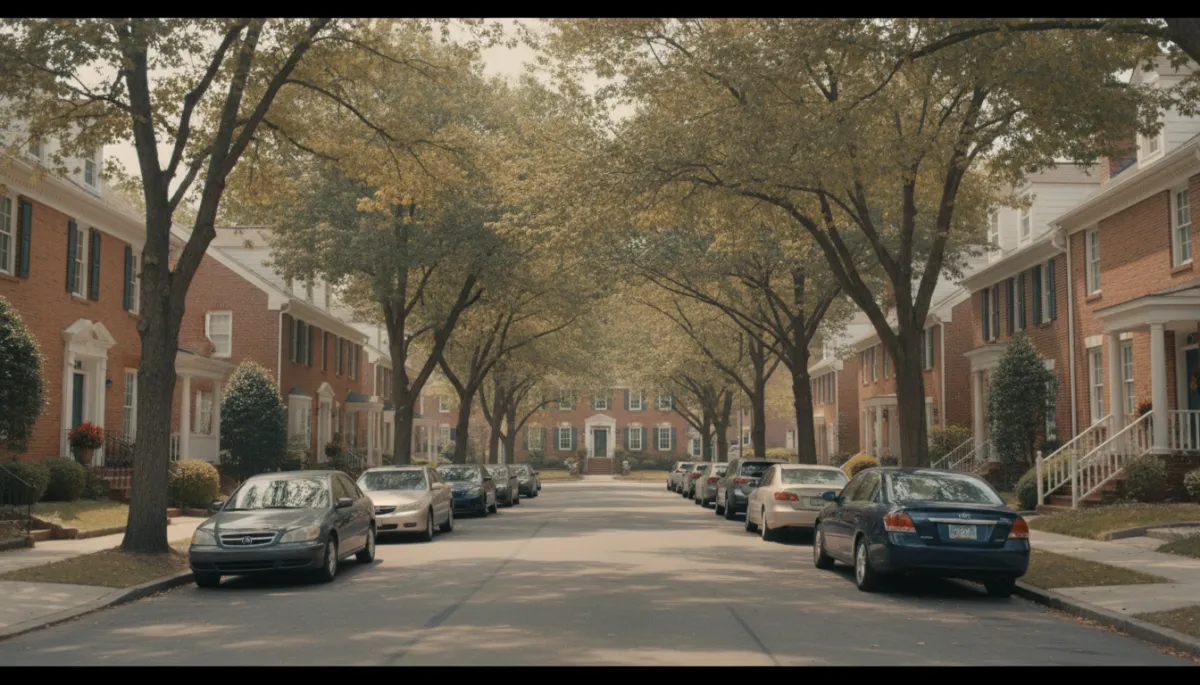
Fairfax’s maturing market offers more choices, but quality homes still move quickly.
For sellers, this means you still hold meaningful leverage—if your home is priced and presented well. For buyers, you gain a bit more breathing room, but preparation and clear strategy matter. This is where having an experienced guide, like The Mike Webb Team, can keep the process calm and focused rather than reactive.
💡 Pro Tip: In a shifting market, moving strategically—timing, pricing, and presentation—often matters more than trying to “time the bottom.”
3. Schools: A Major Draw for Families
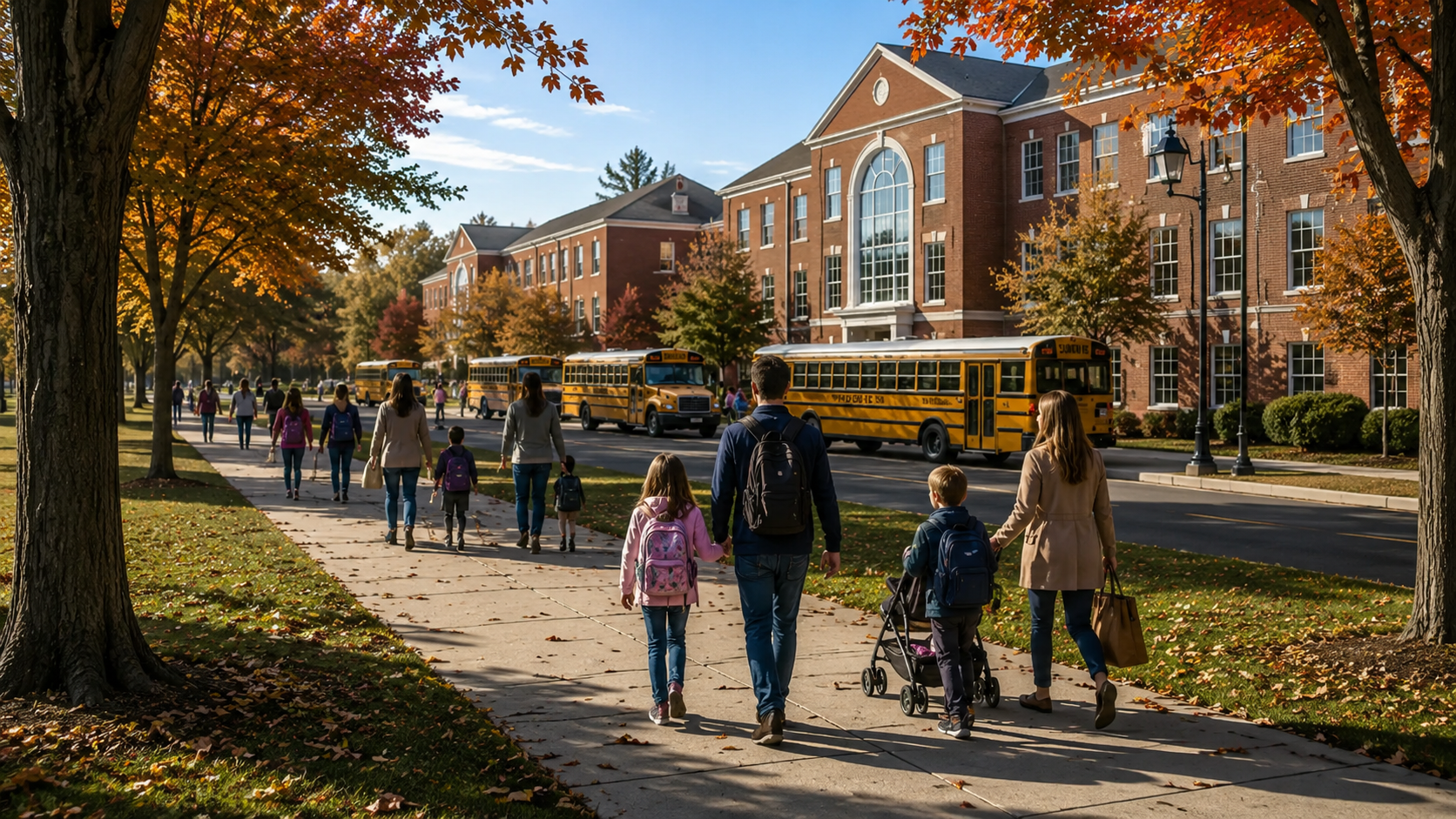
Fairfax County Public Schools (FCPS) is the largest district in Virginia, serving around 180,000+ students across more than 220 schools. It is widely regarded for strong academics, extensive Advanced Academic Programs, and robust extracurricular offerings. County‑wide, students outperform Virginia averages in both math and reading, and many schools carry “Distinguished” status from the state.
In and around the City of Fairfax, schools like Mosaic Elementary, Oak View Elementary, Frost Middle School, and Robinson Secondary are consistently ranked among the area’s top performers. The district is also opening a new high school, Skyview High, in 2026, along with boundary changes that may affect certain neighborhoods. Because of these shifts, it is essential to use the FCPS Boundary Locator to confirm exactly which schools serve a specific address before you buy or sign a lease.
💡 Quiet but important detail: In Fairfax, school boundaries can change. Before you fall in love with a home “for the school,” verify the official assignment and any upcoming boundary adjustments.
4. Commuting and Getting Around
Commuting is one of the biggest lifestyle factors to weigh before moving to Fairfax. Many residents work in Washington, D.C., Tysons, Reston, or the Dulles corridor. Depending on where you live and when you travel, your commute can feel manageable—or exhausting.
By car: I‑66, Route 50, and Route 29 are main arteries. Rush hour can be heavy, especially heading east in the morning and west in the evening.
By Metro: Nearby Vienna/Fairfax‑GMU, Dunn Loring, and Vienna’s Orange Line stations connect you to downtown D.C. and Arlington.
By bus: Fairfax Connector and Metrobus routes help bridge gaps if you prefer to drive less.
When our clients map out their move, we encourage them to test‑drive their potential commute at the actual times they’d travel. A neighborhood that looks perfect on Saturday morning can feel very different at 7:45 a.m. on a Tuesday.
“The biggest quality-of-life surprise for many people isn’t the house—it’s the daily commute. Test it before you commit.”
— The Mike Webb Team
5. Cost of Living: Plan Before You Leap
Fairfax is one of the more expensive places to live in Virginia. Several cost of living indexes place it around 40–60% above the U.S. average, with housing as the main driver. For a single person, typical monthly costs (including rent) often land between $2,800 and $3,500. For a family of four, estimates frequently run above $7,500 per month, depending on housing choices and lifestyle.
Rent for a one‑bedroom apartment in Fairfax City commonly ranges from the low‑$2,000s to the upper‑$2,000s per month, while the broader county can be slightly more forgiving, especially farther from Metro stations. Groceries, healthcare, and transportation costs also trend higher than national averages, though not dramatically out of line with other D.C. suburbs.

A clear budget upfront prevents surprises once you fall in love with a home.
The key is to run the numbers honestly: mortgage or rent, property taxes, commuting costs, childcare, and savings goals. Our team often walks clients through “real life” scenarios so the home they choose supports their financial plans instead of stretching them thin.
📌 Key Takeaway: Treat cost of living as a core part of your search—not an afterthought once you’ve already started packing.
6. Fairfax Neighborhoods: Different Vibes, Same Region
One of Fairfax’s strengths is the variety of neighborhoods within a relatively small radius. A few examples many movers explore:
Old Town Fairfax (City): Walkable, historic charm, local restaurants, and events on the town green. Popular with those who like a “small‑town within the suburbs” feel.
Fairfax Station & Clifton: Larger lots, more trees, and a quieter, almost rural feel while still relatively close to major routes.
Oakton & Vienna (near Fairfax): Established neighborhoods, strong schools, and convenient access to I‑66 and the Metro.
Burke & West Springfield: Townhouse communities and single‑family homes with a strong community feel and plenty of parks.
Each pocket has its own rhythm, price point, and school pyramid. Before you decide, it often helps to spend a day in each area—have coffee, visit a playground, drive the commute, and see which neighborhood feels most like your family’s pace of life.
7. Outdoor Recreation and Lifestyle
Despite its proximity to D.C., Fairfax offers plenty of green space. You’ll find miles of trails, playgrounds, and lakes woven through neighborhoods and regional parks. Popular options include Burke Lake Park, Fountainhead Regional Park, the Cross County Trail, and smaller community parks scattered throughout the county and city.
Families often spend weekends hiking, biking, or boating, then head into Old Town Fairfax or nearby Mosaic District for dinner. Seasonal farmers markets, outdoor concerts, and community events help new residents plug in quickly, especially for those moving here without an existing network.
8. Job Opportunities and the Local Economy
Fairfax benefits from its position within the broader D.C. metro economy. Many residents work in government, defense, technology, consulting, and healthcare. Proximity to major employment hubs—Tysons, Reston, the Dulles corridor, and of course Washington, D.C.—means a wide range of career paths within a 30–45 minute radius (traffic permitting).
This economic strength is one reason home values have remained resilient, even as the market has cooled from its peak. For homeowners, that stability can provide reassurance that their largest asset is in a region with long‑term demand drivers behind it.
9. Common Mistakes People Make When Moving to Fairfax
Over the years, we have seen a few patterns repeat themselves. Being aware of them can save you stress and money:
Underestimating commute times. Looking only at mileage instead of real‑world traffic or transit options can lead to daily frustration.
Ignoring upcoming school boundary changes. Buying for a particular school without checking official boundary plans can lead to surprises down the road.
Stretching too far on housing costs. It’s easy to fall for the “perfect” home and overlook the long‑term impact on savings, travel, or activities that matter to your family.
Not comparing neighborhoods. Many movers focus on just one area. In Fairfax, a few miles can make a meaningful difference in price, schools, and lifestyle.
📌 Quiet advantage: Sitting down with an advisor who knows the micro‑markets—like The Mike Webb Team—helps you see options you might miss when browsing online alone.
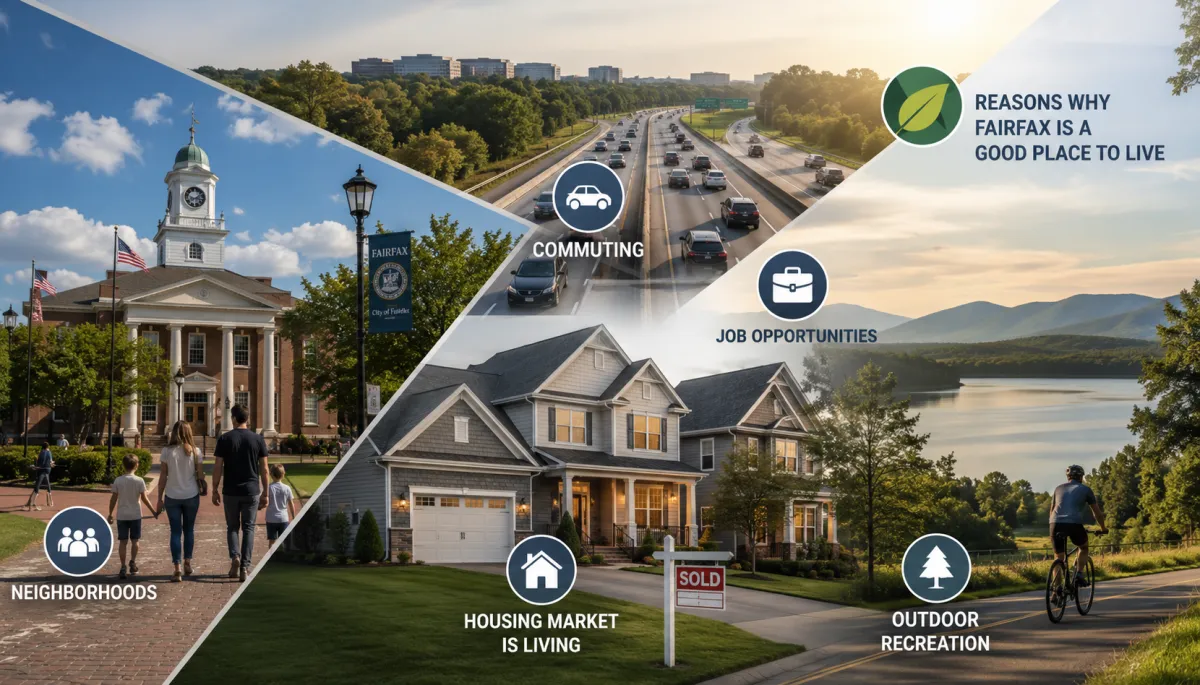
10. Why Fairfax Is a Good Place to Live
With all the details laid out, why do so many families choose Fairfax—and stay? It comes down to a combination of factors that rarely appear together in one place:
Strong schools and educational options from preschool through high school.
Stable housing market with a track record of long‑term appreciation and resilient demand.
Access to major job centers without giving up suburban space and greenery.
Abundant parks and recreation, from lakes and trails to community events and sports.
A sense of community that comes through in local festivals, neighborhood gatherings, and school activities.
Fairfax is not the least expensive option, and it is not perfect—no place is. But for many families, the combination of opportunity, education, and everyday livability makes the higher cost of living feel like an intentional investment rather than an unavoidable burden.

Moving Forward with Clarity
If Fairfax is on your short list, the next step is to align the facts with your family’s priorities—schools, budget and cost of living, commute, and the kind of day‑to‑day life you want. The Mike Webb Team’s role is to bring calm, experienced guidance to that process: explaining the market in plain language, highlighting trade‑offs, and helping you make decisions that feel steady, not rushed.
Whether you’re selling a Fairfax home to move on to your next chapter or moving here for the first time, you do not have to navigate the details alone. With clear information and thoughtful support, you can move forward with confidence—and arrive in Fairfax already feeling a step closer to home.