
Moving to Manassas, VA: Essential Guide for Families
Real Estate, Moving To Manassas, Family-friendly Manassas
Moving to Manassas, VA: What Should You Know?
Considering moving to Manassas, VA? As experienced local real estate advisors, The Mike Webb Team helps families understand what life here really looks like—from neighborhoods and schools to cost of living and commute options—so you can make a confident, well-informed decision.
Moving to Manassas: An Overview
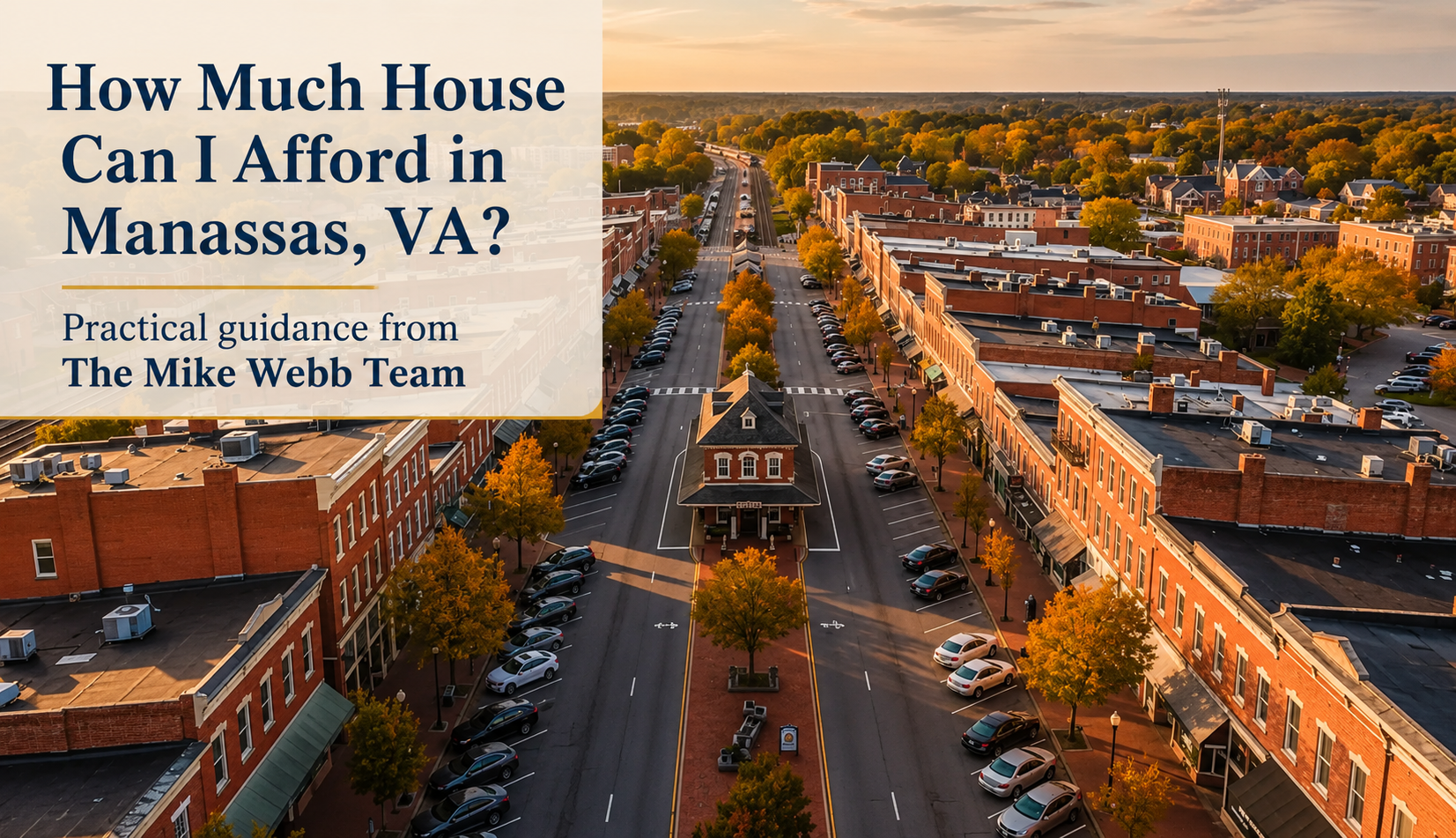
Moving to Manassas means choosing a historic, well-connected city with a distinctly suburban feel. Located in Prince William County, about 30 miles southwest of Washington, D.C., Manassas blends Civil War history, a revitalized downtown, and established neighborhoods with modern conveniences, shopping, and dining. For many families, it offers a balance between Northern Virginia opportunity and a more relaxed, community-oriented lifestyle.
The Mike Webb Team regularly works with buyers relocating from across the region and the country. Many are drawn to Manassas for its strong job access, variety of housing options, and family-friendly amenities—while still being more attainable than many closer-in D.C. suburbs.
📌 Key Takeaway: Manassas offers a blend of historic charm, commuter access, and suburban comfort that appeals to families looking for value in Northern Virginia.
Manassas Neighborhoods: Where Should You Live?
One of the biggest decisions when moving to Manassas is choosing the right neighborhood. The city itself and the surrounding Manassas-area communities offer distinct personalities, price points, and amenities. A few standouts include:
Old Town Manassas – A walkable historic district with brick sidewalks, local restaurants, boutiques, and frequent community events. With easy access to the Virginia Railway Express (VRE) station, it is ideal for commuters who value character and convenience. Homes here often average around $600,000, reflecting the area’s charm and demand (foxessellfaster.com).
Sumner Lake – A picturesque lake-centered community with walking trails, a pool, and green space. It offers both detached homes and a 55+ carriage-home section. Recent averages show overall values near $658,000, with detached homes closer to $804,000 and carriage homes around $440,000 (colganteam.com).
Wellington – A planned community known for its amenities, neighborhood feel, and relative affordability in the Manassas market. Average prices typically range from about $570,000 to $685,000, making it a popular option for growing families (colganteam.com).
Campbell’s Trace, Wellington Road, and the Baldwin District – Frequently recognized by locals for their family-friendly atmosphere, walkability, and sense of community. These Manassas neighborhoods are often highlighted for affordability and a neighborly feel (nextdoor.com).
Nearby areas such as Bristow and the Linton Hall corridor, Gainesville, and Haymarket also attract buyers who identify with the “Manassas area” while seeking newer construction, master-planned communities, or larger lots. The Mike Webb Team can help you compare these options side by side so you understand what you gain—and what you trade off—in each location.
💡 Pro Tip: Make a short list of your “must-haves” (commute, schools, yard size, walkability) before touring Manassas neighborhoods so you can quickly see which communities fit best.
Cost of Living in Manassas: What to Budget
Understanding the cost of living in Manassas is essential before you commit to a move. Overall, Manassas is more expensive than the U.S. average—largely due to housing—but it can still be a strategic value compared with many closer-in Northern Virginia communities.
Housing: As of mid‑2026, Zillow places the average home value in Manassas around $559,785, showing a slight 0.1% increase year-over-year (zillow.com). Rent estimates vary by source, but a realistic range for typical apartments falls between about $1,800 and $2,300 per month, depending on size and location (apartments.com, rentcafe.com, zillow.com).
Monthly expenses: For a single person, total monthly costs including rent commonly land between roughly $2,400 and $2,900, with Salary.com estimating up to $3,500 for a more comfortable lifestyle (wise.com, livingcost.org, salary.com). A family of four may see monthly expenses in the $5,000–$7,800 range, especially when childcare and activities are factored in (salary.com).
Everyday costs such as utilities, groceries, and transportation are in line with many Northern Virginia suburbs. For example, utilities for a typical 85 m² apartment average around $211 per month, with internet near $60 (numbeo.com). When The Mike Webb Team consults with clients, we often review these figures together so your housing choice aligns with your broader financial goals—not just your wish list.
📌 Key Takeaway: Look beyond the purchase price and factor in taxes, utilities, commuting, and childcare to understand the true cost of living in Manassas.
Manassas Schools: Public Districts and Options
For many families, Manassas schools are a central part of the decision to relocate. The area is served by two main public school systems, depending on your exact address: Manassas City Public Schools (MCPS) and Prince William County Public Schools (PWCS).
Prince William County Public Schools (PWCS) – Serving parts of the broader Manassas area, PWCS holds an overall A‑minus rating from Niche and ranks 14th among Virginia school districts (niche.com). High schools average strong reading proficiency around 85%, with a graduation rate near 94.8%, supported by significant long-term investment through the Elevate 2030 strategic plan (schoolquality.virginia.gov, globenewswire.com).
Manassas City Public Schools (MCPS) – MCPS, which serves the independent City of Manassas, holds a C+ overall grade, with reading proficiency around 55%, math at 57%, and a graduation rate of about 87% (niche.com). The district is noted for its diversity and a 16:1 student-teacher ratio.
Because school zones and boundaries can be complex, especially around the Manassas/Prince William County line, it is wise to verify the assigned schools for any home you are considering. The Mike Webb Team routinely helps buyers interpret school ratings, boundary maps, and program options so you can choose a home that fits your educational priorities as well as your budget.
💡 Pro Tip: Always confirm school assignments directly with the district before making an offer—boundaries can change from year to year.
Commute From Manassas: Getting Around Northern Virginia
The commute from Manassas is a key consideration, especially if you work in Washington, D.C., Arlington, Tysons, or other Northern Virginia employment hubs. Manassas offers multiple commuting options, but like most of the region, traffic patterns can significantly affect daily routines.
Driving: Manassas provides convenient access to major routes such as I‑66, Route 28, and the Prince William Parkway. Depending on time of day and destination, drive times into D.C. or Arlington can range from about 45 minutes to well over an hour during peak rush hour.
Virginia Railway Express (VRE): The Manassas VRE station in Old Town offers rail service into Alexandria, Crystal City, and Union Station in Washington, D.C. For many professionals, this is a less stressful alternative to daily driving and a major reason they prioritize Manassas neighborhoods with easy VRE access.
Local transit and park-and-ride: Local bus routes and park-and-ride lots support commuters heading toward major employment centers, while rideshare options fill in the gaps.
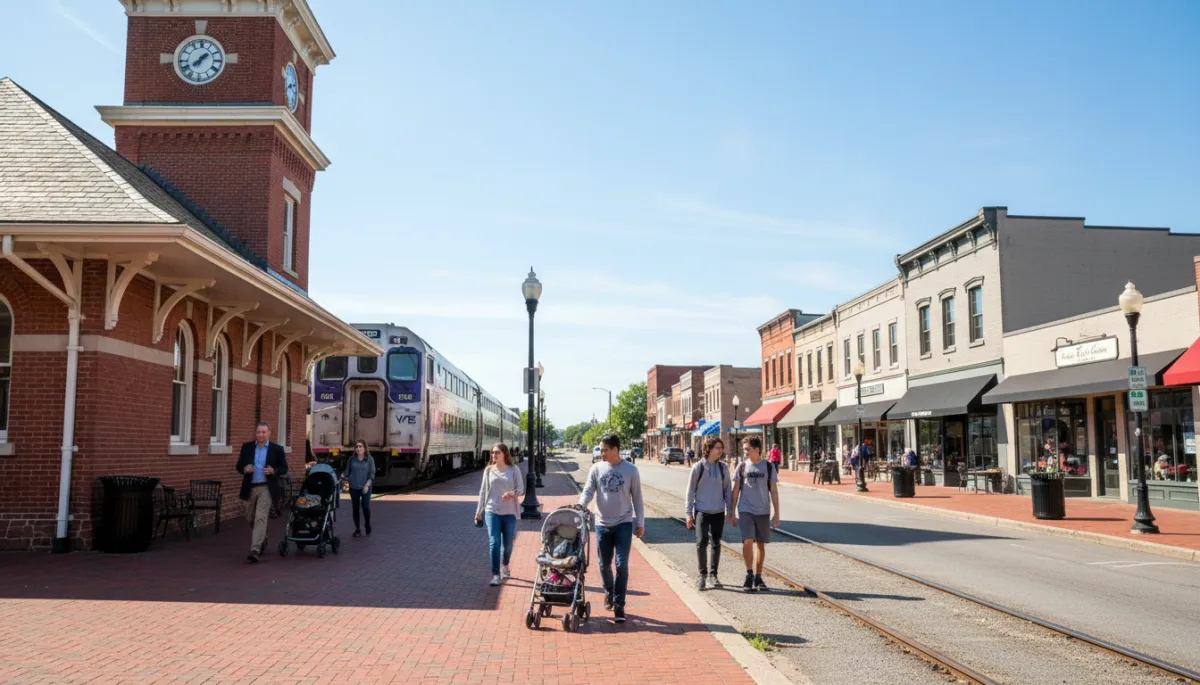
Many commuters choose Manassas for its VRE rail access and historic, walkable core.
When advising clients, The Mike Webb Team often suggests test-driving your potential commute at typical peak times before finalizing a purchase. This small step can prevent surprises and ensure your new address supports your daily routine.
📌 Key Takeaway: If commuting is a priority, focus your home search near the VRE station or major commuter routes to save time and stress.
Family-Friendly Manassas: Parks, Recreation, and Community
For those prioritizing a family-friendly Manassas lifestyle, the city delivers a strong mix of parks, recreation, and community events. Families enjoy local favorites such as:
Old Town Manassas events – Seasonal festivals, farmers markets, outdoor concerts, and holiday celebrations that bring residents together and create a small-town feel within a larger metro area.
Local parks and battlefields – Nearby Manassas National Battlefield Park offers miles of trails and open space, while city parks provide playgrounds, sports fields, and picnic areas for everyday recreation.
Sports, clubs, and activities – Youth sports leagues, arts programs, and community centers give children and teens plenty of ways to get involved and build friendships.
Many of the Manassas neighborhoods mentioned earlier—such as Wellington, Campbell’s Trace, and Sumner Lake—are particularly popular with families because of their sidewalks, community amenities, and neighborhood events. The Mike Webb Team focuses on matching families not only to the right house, but also to the right community rhythm for their stage of life.
💡 Pro Tip: Visit neighborhoods on evenings and weekends to get a true feel for community activity, noise levels, and how neighbors interact.
Moving To Manassas With Confidence
Moving to Manassas, VA can be an excellent choice if you are seeking a historic, commuter-friendly city with a strong sense of community and a range of housing options. At the same time, the cost of living in Manassas, school district differences, and commute patterns deserve careful consideration before you buy or sell.
The Mike Webb Team is committed to providing clear, trustworthy guidance at every step—whether you are relocating to Manassas, comparing Manassas neighborhoods, or preparing to list your current home and move forward. If you are ready to explore your options, we are here to help you maximize your home’s value, reduce stress, and make your next move with confidence.