
Virginia Residential Property Disclosure Explained
Virginia real estate, property disclosure, home buyers, home sellers
What Is the Virginia Residential Property Disclosure Notice?
In Virginia, the seller gives the buyer a notice that makes no promises about the home and tells the buyer to do their own checking. Some items, like pending zoning violations, require a written disclosure.
What does a Virginia seller have to tell a buyer?
In Virginia, the seller gives the buyer a notice that makes no promises about the home and tells the buyer to do their own checking. Some items, like pending zoning violations, require a written disclosure.
This is general information from the state, not legal advice. For your situation, ask your agent and a real estate attorney.
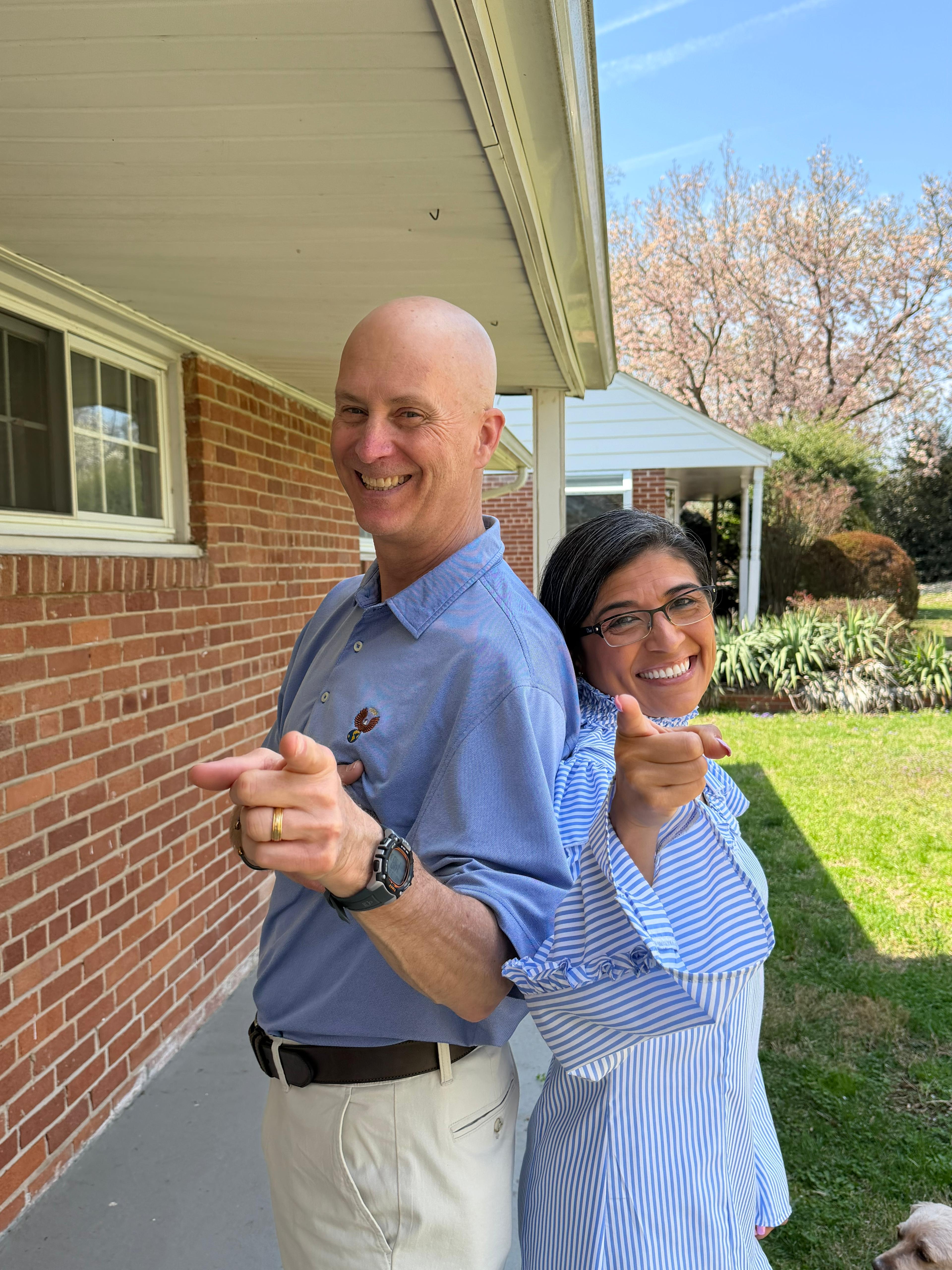
The Mike Webb Team (Mike and Claudia Webb, RE/MAX Allegiance) helps homeowners in Arlington, Northern Virginia, Maryland, and Washington, DC get their homes ready to sell and sold.
What is the law?
The Virginia Residential Property Disclosure Act sets what owners must tell buyers of homes. The Virginia Department of Professional and Occupational Regulation (DPOR) explains it on its website. Some kinds of transfers are not covered.
What does the notice say?
The notice lists 16 subject areas. For each one, the owner makes no promises about the home and advises the buyer to check. The areas include:
Property condition
Historic district rules
Wastewater systems
Flood zones
Radon gas
Lead pipes
Conservation easements
Think of it as a list of questions for you to ask, not a guarantee from the seller.
What must be disclosed in writing?
The DPOR page lists some items that need a written disclosure, such as pending building code or zoning violations, and a home that was once used to make methamphetamine. When a builder sells a new home for the first time, the builder must disclose known material defects.

What should a buyer do?
The notice tells buyers to use "due diligence." Examples from DPOR include:
Get a home inspection.
Check flood maps or get a flood determination.
Order a radon test.
Look up local historic district rules.
The time you have for each check comes from your purchase contract, so read it with your agent.
What should a seller do?
Give the required notice when your agent tells you to, and answer questions truthfully. If you know about a problem, talk with us about how to handle it. Getting ahead of problems before you list is part of how we prepare a home.
FAQ
Does the seller promise the home is perfect?
No. The notice says the owner makes no promises about the condition.
Does an inspection replace this?
No. An inspection is one of the checks the notice points you toward.
Where can I read the law?
On the DPOR page linked above and in the Virginia Code.
Call or text The Mike Webb Team at 703-350-3884 or visit claudiawebb.com.
The Mike Webb Team, RE/MAX Allegiance. Arlington, Virginia. Equal Housing Opportunity.