Nov 22, 2026 · 7 min read · Arlington
How Do I Find Out If an Arlington Home Is in a Flood Zone?
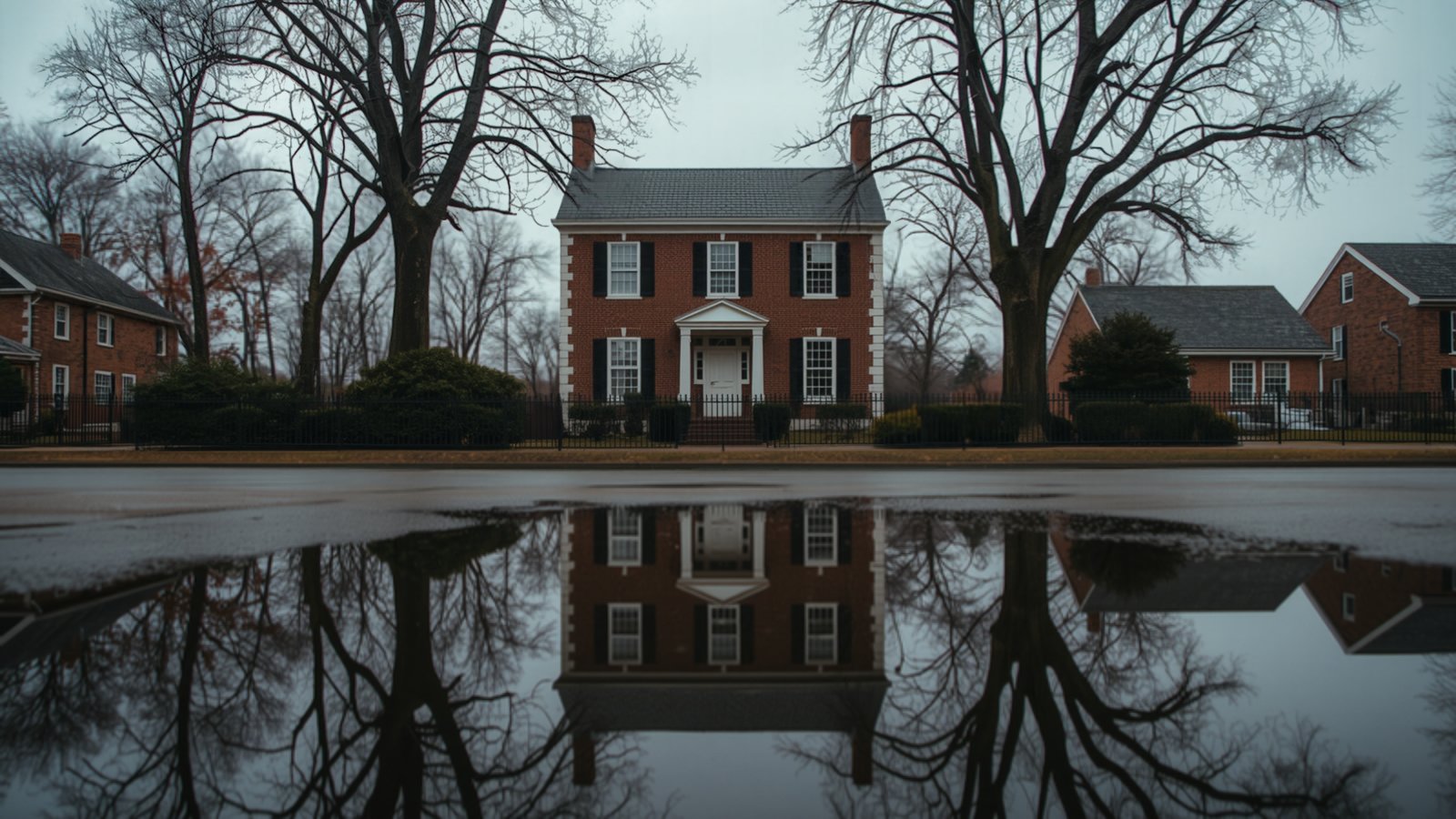
How do I find out if an Arlington home is in a flood zone? Check the address on FEMA's flood maps and the state's flood risk site, and ask your lender to order a flood determination. Virginia's seller disclosure statement does not answer the question for you. It tells you to do your own research before settlement.
The Mike Webb Team (Mike and Claudia Webb, RE/MAX Allegiance) helps homeowners in Arlington, Northern Virginia, Maryland, and Washington, DC get their homes ready to sell and sold.
Does the seller tell me if the home is in a flood zone?
Not in a way you can rely on. Under Va. Code 55.1-703, the owner of a Virginia home gives the buyer a residential property disclosure statement, and the statement says the owner makes no representations about whether the property is in one or more special flood hazard areas. It advises the buyer to do whatever research they think is needed. The law lists four steps: get a flood certification or a mortgage lender's determination, review a map of special flood hazard areas, contact FEMA or visit the National Flood Insurance Program website or the Virginia Flood Risk Information website run by the Department of Conservation and Recreation, and find out whether flood insurance is required. Source: Va. Code 55.1-703.
The same statute says the Real Estate Board must offer a flood risk information form on its website. It is separate from the disclosure statement and gives general information. For the wider picture on disclosure, see our post Virginia Residential Property Disclosure Explained.
What is a special flood hazard area?
The flood risk information form in the Virginia Code explains it. A special flood hazard area is a high-risk area, defined as land that would be flooded by a flood with a one percent chance of occurring in any given year. People also call this the base flood. The form says lenders review the current National Flood Insurance Program maps for the community and complete a standard flood hazard determination form, created by FEMA, to see where the property falls. Source: Va. Code 55.1-703, subsection D.
A one percent chance each year does not mean once in a hundred years. It is a chance that exists every year, so over the 30 years of a mortgage it adds up. That is why lenders pay attention to it.
What if the lender says flood insurance is required?
The Virginia form says mortgage lenders are required by federal law to require flood insurance when a loan from a federally regulated, supervised or insured lender is for a property in a special flood hazard area, if the community takes part in the National Flood Insurance Program. The lender, not the seller and not the form, decides whether you need a policy. The form also says the borrower is told when insurance is required. Build the cost into your budget before you make an offer. We explain how insurance fits into a monthly payment in What Is a Mortgage Escrow Account When I Buy in Arlington?
Can a home outside the flood zone still flood?
Yes. The Virginia form says properties that are not in a special flood hazard area can still flood. It also says damage from flooding is generally not covered by a standard homeowner's insurance policy, and that it is prudent to consider flood insurance even when a lender does not require it. Homes outside the high-risk area may be eligible for a lower-cost preferred risk policy, and the form suggests asking your insurance agent.
The form's definition of a flood is broad. It includes the overflow of inland waters, unusual and rapid runoff of surface water from any source and mudflow, affecting two or more acres or two or more properties. In other words, heavy rain running down a street can count. Ask your inspector about grading, the basement and the sump pump. Our post How to Read a Home Inspection Report shows what to look for in the findings.
Where do I look up an address?
- FEMA Flood Map Service Center: FEMA's official site for flood maps is msc.fema.gov. Type in the full street address.
- Virginia Flood Risk Information System: The Department of Conservation and Recreation runs it, and the Virginia Code names it as a place to check.
- The National Flood Insurance Program: Its FloodSmart site, floodsmart.gov, offers a quote tool and a way to see whether your community can get an NFIP policy.
- Your lender: Ask the loan officer to order the flood determination early. It is part of the mortgage process.
- Your insurance agent: Ask for a flood quote for the exact address before the inspection period ends.
The Virginia form also reminds buyers that FEMA is required to update flood maps every five years, so a property's zone can change after a map update. Check the date on any map you rely on.
What is an elevation certificate?
FloodSmart says elevation certificates are not required to get flood insurance, but they can help you pay less. It also says that your premium is unique to your property and is based on several factors, and that flood insurance policies do not renew on their own. Ask the seller whether an elevation certificate exists for the home, and ask your agent to request one early, because the answer can affect your quote.
What should a seller do?
The disclosure statement does not ask you to promise anything about the flood zone, but buyers will ask. If you know your flood zone, tell your agent. If you carry flood insurance, keep the declarations page handy. If you are not sure, you can look up your own address on the sites above in a few minutes. Having answers ready keeps a deal moving once a buyer's lender orders its determination.
Preparation helps too. Through The White Glove Home Sale Method, every seller we work with receives preparation at no additional cost, such as repairs, painting, deep cleaning, landscaping and staging. A dry, tidy basement and a clear drainage path make a good impression on inspection day. For tips on winter care, see Winter Home Checklist for Arlington Homeowners.
A short checklist before you offer
- Look up the full address on FEMA's Flood Map Service Center.
- Check the Virginia Flood Risk Information System.
- Ask your lender whether the flood determination shows a special flood hazard area.
- Get a flood insurance quote for the exact address, even if the home is outside the high-risk area.
- Ask the seller for an elevation certificate and any past insurance claims.
- Ask your inspector about the basement, grading and the sump pump.
- Put your deadlines in writing so you have time to act on what you learn.
This post is general information, not legal or insurance advice. Maps and rules change, so confirm the details with your lender, your insurance agent and the sources linked above.
For more on the buying process, see our Northern Virginia buying guide.
Explore more
FAQ
Does Virginia's disclosure form say if a house is in a flood zone?
No. Va. Code 55.1-703 says the owner makes no representations about special flood hazard areas and tells buyers to check themselves.
Does homeowner's insurance cover flood damage?
The Virginia flood risk form says flood damage is generally not covered by a standard homeowner's policy. Ask your insurance agent about a separate flood policy.
Can flood zones change?
Yes. The form says FEMA is required to update flood maps every five years, so a property's zone may change.
Call or text Claudia at 703-350-3884 or visit claudiawebb.com.
The Mike Webb Team, RE/MAX Allegiance. Arlington, Virginia. Equal Housing Opportunity.