Nov 12, 2026 · 6 min read · Washington, DC
What Should I Know About Probate If I Inherit a Home in DC?
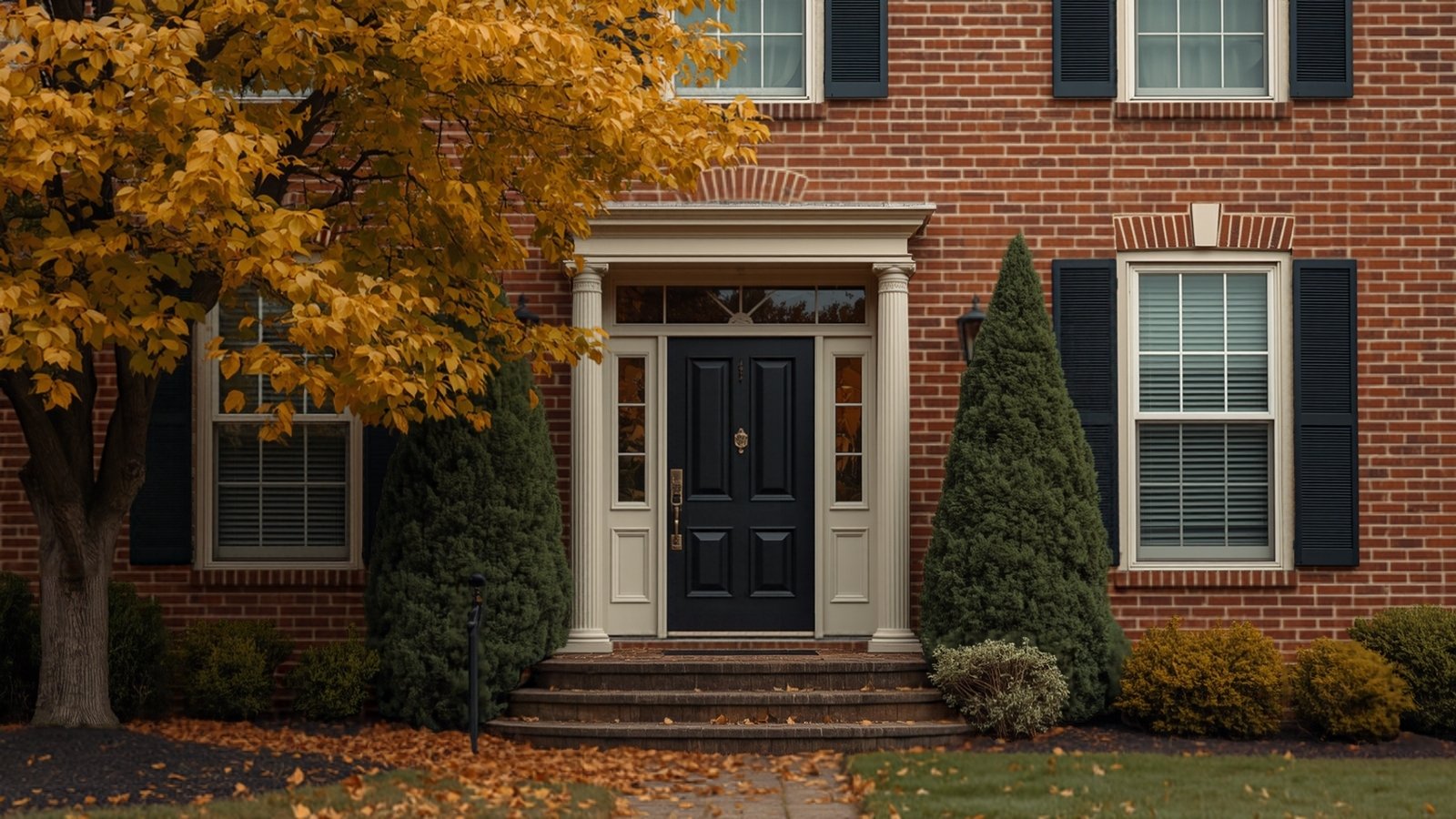
What is probate in DC, and what should I know if I inherit a home there?
Probate is the court process that names someone to manage a person's estate, pay debts and pass on property. In DC, it runs through the Probate Division of the DC Superior Court and the Register of Wills. This is general information, not legal advice or tax advice. Talk with an attorney.
The Mike Webb Team (Mike and Claudia Webb, RE/MAX Allegiance) helps homeowners in Arlington, Northern Virginia, Maryland, and Washington, DC get their homes ready to sell and sold.
Who handles probate in DC?
You can start by filing with the Register of Wills. The Probate Division then appoints a personal representative, who is typically the person named in the will or the closest relative with legal priority. Source: DC Courts, Estates.
Is it a small estate or a large estate?
The court describes several kinds of cases. A small estate is for a person who died on or after March 21, 2025 and had assets worth $80,000 or less, and the court says these generally take no more than 120 days from filing to a final order. If the person died between April 27, 2001 and March 20, 2025, the court's limit is $40,000. A large estate is for a person who lived in DC and owned DC real estate or other assets of any value. So if the person lived in DC and owned the home, the court says a large estate case must be opened. Sources: DC Courts, Small Estates and DC Courts, Large Estates.
What kinds of large estate cases are there?
The court says large estates go through either abbreviated probate or formal probate.
- Abbreviated probate is the more common route to admit a will and appoint a personal representative.
- Formal probate is used when the case cannot go the abbreviated way. The court's examples include a petitioner without legal priority to serve, a creditor seeking appointment, a question about the will's validity, or an original will that is not available.
The court also describes two kinds of administration. In a supervised one, the personal representative files inventories and accounts with the court for review and approval. In an unsupervised one, the personal representative must still prepare inventories and accounts and keep complete records, but generally does not file them with the court unless ordered. The court says unsupervised generally applies to people who died on or after July 1, 1995. In unsupervised cases, the Register of Wills can admit a will and appoint a personal representative, and only a judge can order supervised administration.
What do I bring to open a case?
For a large estate, the court lists a petition for probate, a death certificate, the original will if there is one, a notice of appointment, bond and other required forms, and a filing fee or a fee waiver. When a petition is filed, the court's Legal Branch checks that the papers are complete. A judge then signs an order that admits the will, appoints the personal representative, decides on supervision, and approves or waives bond.
For a small estate, the court asks for items such as the will, photo ID, the death certificate, funeral bills, and a written list of what the person owned, plus the names and addresses of heirs. Court costs for a small estate rise with the value of the assets: none for $0.01 to $499.99, $15 for $500 to $2,500, and up to $350 for $75,000.01 to $100,000, according to the court's list.
The Clerk's Office is at 515 Fifth Street NW, Room 314. The general information line is (202) 879-9460.
What notice has to be published?
For large estates, the Probate Division sends a notice of appointment, notice to creditors and notice to unknown heirs to two newspapers chosen by the personal representative. The court says it must run once a week for three consecutive weeks in both. That publication sets the deadline for filing a claim against the estate or an objection. For an unsupervised estate, proof of publication and a certificate of notice are due within 90 days of the appointment.
Do I need a lawyer?
The court says you do not need a lawyer to file an estate case, but the process is complicated and an experienced probate lawyer is helpful, especially for large estates or if there is a dispute. The court cannot give legal advice. The Probate Self-Help Center, Room 318, (202) 508-1681, can give general information, help you fill out forms and print them, and share contact information for pro bono or volunteer attorney programs. It is open Monday to Friday, 8:30 a.m. to 5 p.m. Source: DC Courts, Probate Self-Help Center.
What about selling the home?
The court's guide to probate, last updated in 2010, says a personal representative may need to sell estate property, and that in some cases court approval is needed. Ask your attorney who has the authority to sell and when. Once that is clear, we can help with the sale. Through The White Glove Home Sale Method, we handle painting, repairs, staging and deep cleaning at no additional cost to you. Read Selling an Inherited Home: Cleanout, Repairs, Staging and Is Now the Time to Sell Your DC Home?.
Explore more
FAQ
Does every inherited home go through probate?
Not always. The court's guide says jointly owned real estate and assets with a named beneficiary may pass outside the estate. Ask an attorney about your situation.
How long does probate take?
The court says small estates generally take no more than 120 days. Its older guide says a larger estate takes at least eight months and often a year or longer.
Where do I start?
Call the Probate Division's general line at (202) 879-9460 or visit the Probate Self-Help Center, then talk with an attorney.
Call or text Claudia at 703-350-3884 or visit claudiawebb.com.
The Mike Webb Team, RE/MAX Allegiance. Arlington, Virginia. Equal Housing Opportunity.