Jul 30, 2026 · 14 min read · Rockville
Is Rockville, MD a Good Place to Live? A Local Real Estate Team's Honest Guide (2026)
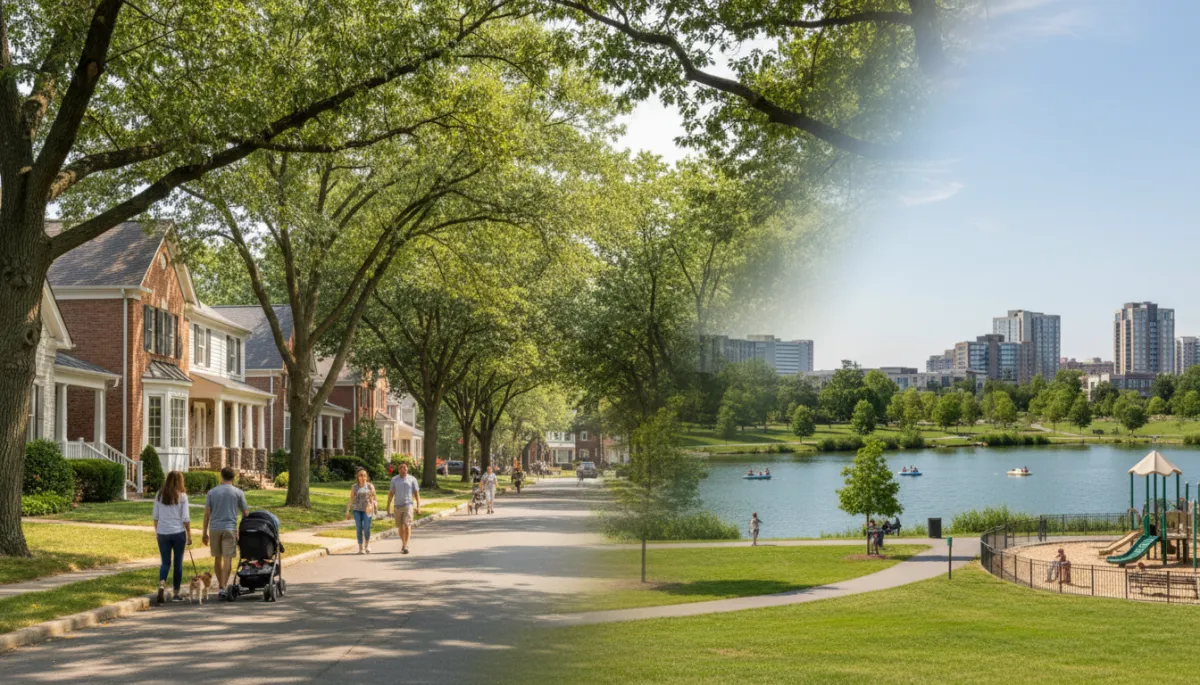
As local real estate advisors, The Mike Webb Team has created this clear, up-to-date guide to help you decide if Rockville is the right fit for you and your long-term plans.
1. Where Is Rockville, MD and What Is It Known For?
Rockville sits in central Montgomery County, about 15–20 miles northwest of downtown Washington, D.C. It’s part of the larger D.C. metro area, bordered by Bethesda and North Bethesda to the south, Gaithersburg to the north, and minutes from the I‑270 “Tech Corridor.” This location makes commuting in Rockville a key draw: many residents work in D.C., Bethesda, or along I‑270 while enjoying quieter, suburban neighborhoods at home.
The city is known for:
A revitalized Rockville Town Square with restaurants, events, and a central plaza.
Excellent access to parks and trails, including Rock Creek Park and neighborhood green spaces.
A wide range of dining options and cultural events.
📌 Key Takeaway: Rockville combines a strategic location in the D.C. metro area with a distinctly suburban feel. Appealing to buyers who want access to major job centers without sacrificing neighborhood charm.
2. Signature Features of Rockville MD Living
Rockville Neighborhoods and Housing Options
One reason many people consider moving to Rockville is the variety of housing styles and price points. Across different Rockville neighborhoods, you’ll find:
Mid‑century single‑family homes on tree‑lined streets in areas like Twinbrook and Rockcrest.
Larger colonials and newer construction in neighborhoods that feed into the Wootton or Richard Montgomery clusters.
Townhomes and condos near Metro stations and Rockville Town Square, ideal for commuters and downsizers.
As of mid‑2026, median home prices generally fall in the mid‑$600Ks to high‑$600Ks, with some sources like Redfin reporting a median sale price around $699,000. That places Rockville firmly in the higher‑cost category for the region, but still often below nearby Bethesda or certain parts of D.C. For homeowners, that combination of demand and relative value can translate into solid long‑term equity growth.
Outdoor Parks and Green Space
For many buyers we work with, Rockville’s parks are a deciding factor. The city maintains dozens of neighborhood parks, playgrounds, and sports fields, and residents enjoy easy access to:
Rock Creek Regional Park – miles of trails, Lake Needwood, boating, and picnic areas.
Neighborhood parks like Lincoln Park, Woodley Gardens, and Fallsgrove with courts, fields, and playgrounds.

Rockville’s trails and parks offer everyday escapes without leaving the city.
Dining, Shopping, and Community Life
Rockville’s dining scene is varied. Within a short drive, you’ll find Asian cuisine along Rockville Pike, neighborhood cafes, breweries, and restaurants in Rockville Town Square and nearby shopping centers. Weekly farmers markets, seasonal festivals, and outdoor concerts add to city life, despite its size of roughly 70,000 residents.
📌 Key Takeaway: If you want a suburb with real neighborhood life (events, restaurants, and places to gather) Rockville delivers more than many similarly sized communities.
3. Rockville Cost of Living: What to Expect in 2026
Housing Costs and Market Conditions
The Rockville cost of living is driven primarily by housing. Several sources paint a consistent picture of a high‑cost but desirable market:
Zillow reports an average home value around $623,896 as of June 2026, while Redfin estimates a median sale price closer to $699,000, up nearly 11% year‑over‑year.
Realtor.com lists a median listing price of about $650,000 and a median sold price near $687,500.
For sellers, these numbers reflect strong demand and solid equity growth in many neighborhoods. For buyers, especially first‑timers, it underscores the importance of strategic budgeting and neighborhood selection.
Rent and Monthly Living Costs
Renting can be a good way to “test drive” Rockville, but it’s still well above national averages:
Average rent across all units is roughly $2,400–$2,800 per month, depending on source and unit type.
One‑bedroom apartments typically run around $2,000–$2,300 per month.
Overall, cost‑of‑living indices place Rockville at roughly 198 on a national baseline of 100, nearly double the U.S. average. A single person may spend between $2,700 and $3,500 per month including rent, while a household of four might expect $6,200 to $7,800 monthly, depending on lifestyle and housing choices.
In a high‑cost market like Rockville, that clarity can prevent stressful compromises later and help you purchase with confidence.
4. Activities, Lifestyle, and Things to Do
Everyday Recreation and Family Activities
Beyond parks, Rockville offers a full slate of activities for all ages:
Rockville Swim and Fitness Center, plus private gyms, studios, and youth sports clubs throughout the city.
Seasonal events at Rockville Town Square: outdoor concerts, holiday celebrations, and cultural festivals that bring neighbors together.
Dining, Culture, and Weekend Fun
On weekends, many residents stay local, enjoying brunch in Rockville Town Square, exploring new restaurants along Rockville Pike, or visiting nearby attractions like Pike & Rose or downtown Bethesda. For bigger nights out, D.C.’s museums, theaters, and sports venues are a Metro ride away, making Rockville a comfortable “home base” with easy access to urban experiences.
💡 Local Perspective: Buyers who value both quiet evenings at home and easy access to regional culture often find Rockville hits the sweet spot between small town and big city.
5. Rockville Commuting and Transportation
One of Rockville’s biggest practical advantages is its transportation network. For daily Rockville commuting, you have several options:
Metrorail: The Red Line serves Rockville, with stations at Rockville, Twinbrook, and nearby North Bethesda, connecting you directly to downtown D.C. and other employment hubs.
Road Access: I‑270 and MD‑355 (Rockville Pike) provide direct routes into Bethesda, Gaithersburg, Frederick, and the Capital Beltway. Traffic can be heavy at rush hour, but many residents balance this with flexible work schedules or transit use.
Bus and MARC: Ride On and Metrobus lines connect neighborhoods to Metro, and MARC commuter rail at Rockville Station offers another option for regional travel.
If you prioritize car‑free or car‑light living, look closely at neighborhoods within walking distance of Metro and major bus routes. For sellers in those locations, proximity to transit can be a meaningful value booster when marketed effectively.
📌 Key Takeaway: Transit access is one of Rockville’s biggest advantages for both buyers and sellers. Highlighting commute options clearly is a proven way to attract serious, well-qualified buyers.
6. Pros and Cons of Living in Rockville, MD
Pros
Convenient location: Close to D.C., Bethesda, and the I‑270 tech corridor, with multiple transit options.
Abundant parks and recreation: Rock Creek Park, local trails, and well‑maintained neighborhood parks support an active lifestyle.
Stable housing market: Historically strong demand and appreciation potential, which can benefit homeowners building equity.
Cons
High cost of living: Home prices and rents are significantly above national averages, Rockville’s cost‑of‑living index is nearly double the U.S. baseline.
Traffic congestion: I‑270 and Rockville Pike can be heavily congested during peak hours, affecting commute times and weekend errands.
Urban‑suburban feel: For some, Rockville is “too suburban”; for others, it feels busier and more commercial than smaller Maryland towns. It depends on your preference.
💡 Advisor Insight: During consultations, The Mike Webb Team walks through these pros and cons in the context of your budget, commute, and lifestyle so you can make a confident, informed decision.
7. Real‑World Buyer Scenarios in Rockville
Scenario 1: The D.C. Condo Owners Moving Up
A couple owns a one‑bedroom condo in D.C. After reviewing several Rockville neighborhoods, they focus on townhomes near the Twinbrook or Rockville Metro stations, balancing commute times with nearby parks. They stretch their budget into the mid‑$700Ks but gain a three‑bedroom home that can serve them for many years.
Scenario 3: Downsizing but Staying Close
Long‑time Rockville homeowners are ready to sell the large family home, capture their equity, and move into a low‑maintenance condo near Rockville Town Square. They want to walk to restaurants, attend events, and travel more without worrying about yard work.
💡 For Sellers: These scenarios also show who is most likely to buy your Rockville home.
8. Final Thoughts: Is Rockville, MD a Good Place to Live?
The trade‑offs are clear, higher housing costs and some traffic, but for many of the people and homeowners we advise, those are acceptable in exchange for long‑term stability, equity growth, and quality of life.
If you’re weighing moving to Rockville or selling a Rockville home to move forward, having clear, trustworthy guidance can make the process far less stressful. The Mike Webb Team specializes in helping clients understand their options, maximize their home’s value, and move with confidence, whether that next chapter keeps you in Rockville or takes you somewhere new.
When you’re ready to talk through your specific situation (your neighborhood, your timing, and your goals) we’re here as experienced advisors, not pushy salespeople. Together, we can determine whether Rockville is truly the right place for your next move, and how to get you there with clarity and less stress.