Aug 1, 2026 · 15 min read · Arlington
McLean vs. Arlington vs. Vienna: Find Your Best Fit
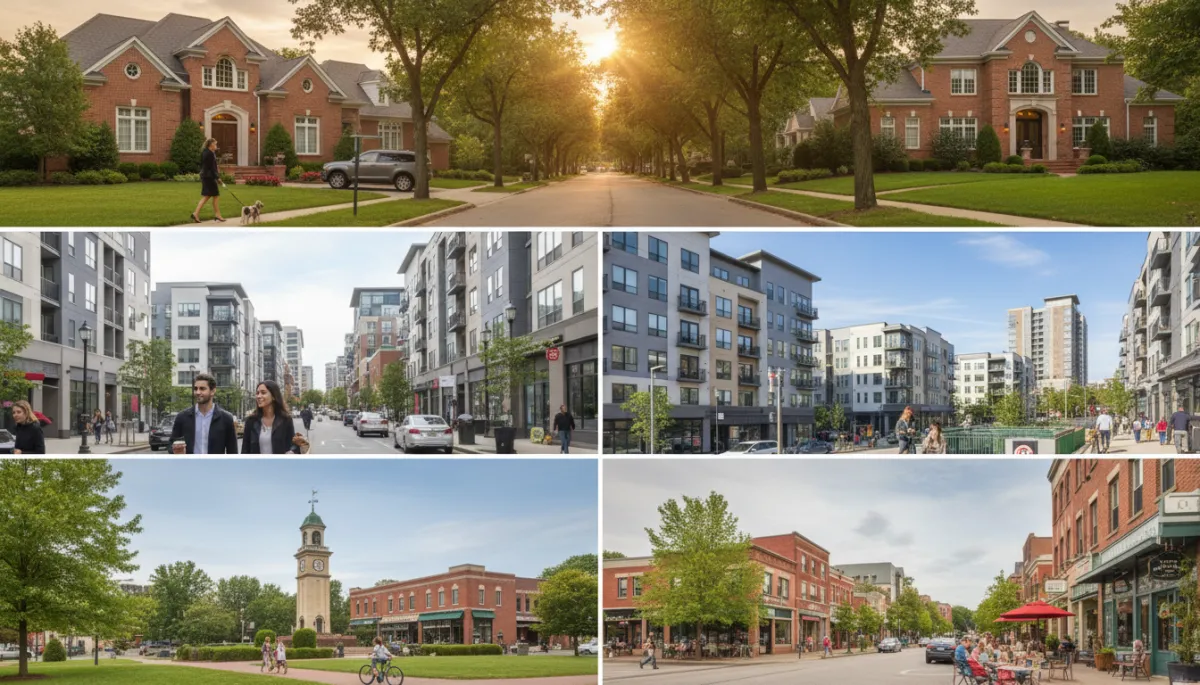
Choosing between McLean, Arlington, and Vienna is less about finding the “best” place and more about finding the right fit for your family’s lifestyle, budget, and long‑term plans. As The Mike Webb Team, we work every day with homeowners and buyers who are weighing these exact options.
Big Picture: How McLean, Arlington, and Vienna Feel Day to Day
Yet they offer noticeably different rhythms of life. Understanding those differences is the first step toward a confident decision, especially if you plan to sell one home and buy your next with a longer‑term horizon in mind.
McLean: Quiet, Upscale, and Estate‑Oriented
McLean is known for its leafy streets, large homes, and a distinctly upscale, residential feel. You will find everything from classic colonials to new‑build luxury estates, especially in central McLean (22101) and Tysons‑adjacent neighborhoods (22102). Many buyers here value privacy, space, and proximity to DC without the intensity of a true urban core. Shopping and dining are anchored by Tysons Corner and Tysons Galleria, with smaller village‑style centers throughout McLean itself.
Arlington: Urban Energy with Suburban Comforts
Arlington blends city conveniences with suburban stability. Along the Rosslyn–Ballston corridor, you will see high‑rise condos, mixed‑use developments, and a strong restaurant and nightlife scene. Further out, such as in Arlington Forest or Lyon Village, you get tree‑lined streets and single‑family homes, yet you remain minutes from Metro, bike trails, and downtown DC. Arlington’s county profile highlights a strong economy and a deliberate focus on sustainability and walkability, which continues to shape new projects and infrastructure through 2026 and beyond.
Vienna: Small‑Town Charm with Big‑City Access
Historic Church Street, local festivals, and neighborhood parks add to the town’s character. At the same time, the Vienna/Fairfax–GMU Metro Station connects residents directly to Arlington, Tysons, and DC. Vienna offers balance: generally more modestly priced than McLean’s core luxury pockets, yet still deeply connected to regional job centers and amenities.

Walkable town centers in Arlington and Vienna support an active, community‑focused lifestyle.
Lifestyle Differences: Pace, Amenities, and Community Feel
McLean Lifestyle: Privacy, Space, and Upscale Conveniences
Daily life in McLean is relatively quiet and residential. Many homes sit on larger lots, with mature trees and cul‑de‑sacs that encourage biking and play. Residents often drive to errands, though Tysons brings high‑end shopping, dining, and entertainment within a short radius. With fewer high‑rise clusters than Arlington, evenings tend to be calmer; think backyard gatherings, youth sports, and neighborhood events rather than nightlife. This suits buyers who prefer a retreat‑like home base after busy days in DC or Tysons.
Arlington Lifestyle: Active, Walkable, and Transit‑Oriented
Arlington’s lifestyle skews more urban and energetic. Many residents live within walking distance of Metro stations, bike lanes, and trails like the Custis and W&OD. The county’s official vision for 2026 emphasizes sustainable growth, enhanced public transportation, and expanded housing options, supporting a car‑optional lifestyle for many households. Cafés, coworking spaces, and restaurants are woven into residential blocks, making it easy to socialize without getting in the car. This suits anyone who values convenience and connectivity.
Vienna Lifestyle: Town Events, Trails and Small-Town Charm
Vienna’s lifestyle centers on town events and small-town charm. Local parades, farmers’ markets, and youth sports are part of the fabric of daily life. The W&OD Trail runs right through town, supporting biking and jogging. While there are restaurants and cafés, Vienna has a smaller-town pace than Arlington.
💡 From The Mike Webb Team: If you picture your ideal weekend as brunch and a show, Arlington may feel like home. If it’s backyard barbecues and room for a playset, McLean or Vienna may be more aligned with your lifestyle.
Commute Options: How Each Area Connects to DC and Tysons
McLean Commutes
McLean’s appeal includes direct access to major employment centers. Many neighborhoods are minutes from Tysons Corner, the Dulles Toll Road, and the George Washington Parkway. While McLean itself has limited Metro coverage, nearby stations in Tysons (Silver Line) and West Falls Church (Orange Line) are accessible by car or bus. For those commuting by car to DC, the GW Parkway offers a scenic, if sometimes congested, route. For Tysons‑based professionals, McLean can significantly shorten daily drive times compared to communities farther west.
Arlington Commutes
Arlington is arguably the most transit‑rich of the three. Multiple Metro lines (Blue, Orange, Silver) run through the county, and dense, mixed‑use neighborhoods are intentionally built around these stations. Bike lanes, protected trails, and frequent bus routes make it realistic to live with one car, or even none, depending on your lifestyle. For DC commuters, this often translates into shorter, more predictable travel times, especially from areas like Rosslyn, Courthouse, Clarendon, and Pentagon City. Arlington County’s 2026 vision reinforces ongoing investment in public transportation and pedestrian infrastructure, which supports both quality of life and long‑term property values.
Vienna Commutes
Vienna balances suburban living with solid transit options. The Vienna/Fairfax–GMU Metro Station on the Orange Line is the main hub, offering direct rail service into Arlington and DC. Typical train time to downtown DC runs around 45–55 minutes, with many residents reporting total door‑to‑door times of 45–60 minutes when including parking and transfers. For Tysons, the Metro ride is short, and there are also Fairfax Connector routes linking Vienna neighborhoods to Tysons and other nearby employment centers.
Driving on I‑66 into DC can vary from 45 to 75 minutes depending on traffic, tolling, and parking conditions, which is why many Vienna residents prefer Metro for predictability. Bus fares are typically around $2 per ride, with monthly passes near $70, while Metro costs to DC usually fall between $120–200 per month, depending on usage and pass type. For many people, a hybrid approach (short drive or bus ride to Metro, then rail into the city) strikes a good balance between time, cost, and stress.
Commute Planning Tip: When we work with clients, we often map actual commute scenarios, from likely home locations to specific offices, so you can compare realistic door‑to‑door times between McLean, Arlington, and Vienna before you commit.
Real Estate Market Trends: Where Are Values Headed?
McLean: Premium Pricing and a Shifting Luxury Segment
McLean’s market remains one of Northern Virginia’s most premium. Recent data show:
Average home values near $1.49M with slight year‑over‑year gains (Zillow, May 2026).
Median sale prices around $1.63–$1.95M, depending on source and time frame, with roughly 2–10% annual shifts.
Homes going under contract in roughly 11–27 days on average, with lower‑priced segments moving fastest.
The luxury segment (around $2.75M and above) has seen more inventory and slightly longer days on market, around 50–80 days, indicating a shift toward a more balanced, sometimes even buyer‑friendly environment. Realtor.com currently characterizes McLean as a buyer’s market, with homes selling for about 2% below list price on average and several months of supply in some tiers. For sellers, this means strategic pricing and thoughtful preparation are critical to avoid sitting on the market. For buyers, there may be more room for negotiation at the higher end, while entry and mid‑tier homes still draw strong interest.
Arlington: Competitive, Transit‑Driven Demand
Arlington’s housing market has been described as very competitive in recent years. While exact pricing in 2026 will depend on interest rates and broader economic conditions, Arlington’s combination of job access, transit, and amenities suggests continued steady demand.
For sellers, that means well‑priced, well‑presented homes can still move quickly. For buyers, it underscores the importance of preparation: pre‑approval, clear priorities, and an agent team that can move decisively when the right property appears. The Mike Webb Team frequently helps clients coordinate the sale of a current home (often in Fairfax County) with a purchase in Arlington, timing each step to minimize stress and maximize net proceeds.
Vienna: Strong Fundamentals, Family‑Driven Demand
Fairfax County’s overall detached home prices have risen more than 7% year‑over‑year in recent data, and Vienna has participated in that strength.
Demand is especially strong for updated single‑family homes with modern floor plans and outdoor space. Well‑maintained homes in the right locations often hold value over time, even through broader market shifts.
Market Insight: Across all three communities, mortgage rates and inventory levels will shape buyer behavior in 2026 and beyond. A tailored pricing and preparation strategy (grounded in current, hyper‑local data) can add tens of thousands of dollars to your bottom line when selling.
How to Choose: Matching Each Community to Your Priorities
Start with Your Non‑Negotiables
Before comparing zip codes, clarify your top three to five priorities. Common examples we hear from clients include:
Commute time and flexibility (car vs. Metro, DC vs. Tysons vs. hybrid work)
Housing type and budget (condo vs. townhome vs. single‑family, price ceiling)
Lifestyle is another factor (walkable urban energy vs. quiet cul‑de‑sac living vs. small‑town feel).
Timeline and resale horizon (3–5 years vs. 10–20+ years)
When McLean May Be the Best Fit
McLean often rises to the top for buyers who:
Want larger lots and luxury or near‑luxury homes.
Prioritize proximity to Tysons or the GW Parkway for work.
Value a quieter, more private lifestyle without sacrificing access to high‑end shopping and dining.
When Arlington May Be the Best Fit
Arlington tends to be ideal if you:
Prefer a walkable, transit‑oriented lifestyle with easy access to DC.
Are comfortable in condos, townhomes, or smaller single‑family homes.
Want an active social and cultural scene with restaurants, events, and nightlife close at hand.
Arlington offers a balance of convenience and community. It can also be a strategic “step” in a longer housing plan: building equity in a condo or townhome before moving to a larger property in McLean or Vienna later on.
When Vienna May Be the Best Fit
Vienna is often the right choice if you:
Want a small‑town feel with strong community traditions and local events.
Are comfortable with a slightly longer but predictable commute via Metro or I‑66.
It can be a particularly strong fit if you want your next move to be your “long‑term” or “forever” home.

Clarifying your family’s priorities is the key to choosing the right community.
Moving Forward with Confidence: Expert Guidance for Your Next Step
McLean, Arlington, and Vienna each offer strong housing markets and convenient access to Washington, DC. The right choice for you comes down to how you want to live day to day: and how that aligns with your budget, commute, and long‑term plans. Whether you are selling a home in one of these communities, relocating from out of state, or trading up or down within Northern Virginia, having clear, trustworthy guidance makes the process far less stressful.
The Mike Webb Team is dedicated to helping homeowners and buyers move forward with clarity and confidence. If you are considering McLean, Arlington, or Vienna, we would be glad to walk you through specific neighborhoods, recent sales, and tailored strategies to maximize your home’s value and make your next move as smooth as possible.
When you are ready to explore your options, reach out to The Mike Webb Team for a calm, expert conversation about what comes next: for you, your family, and your future home.