Nov 22, 2026 · 8 min read · Arlington
Can I Sell a Parent's Arlington Home With Power of Attorney?
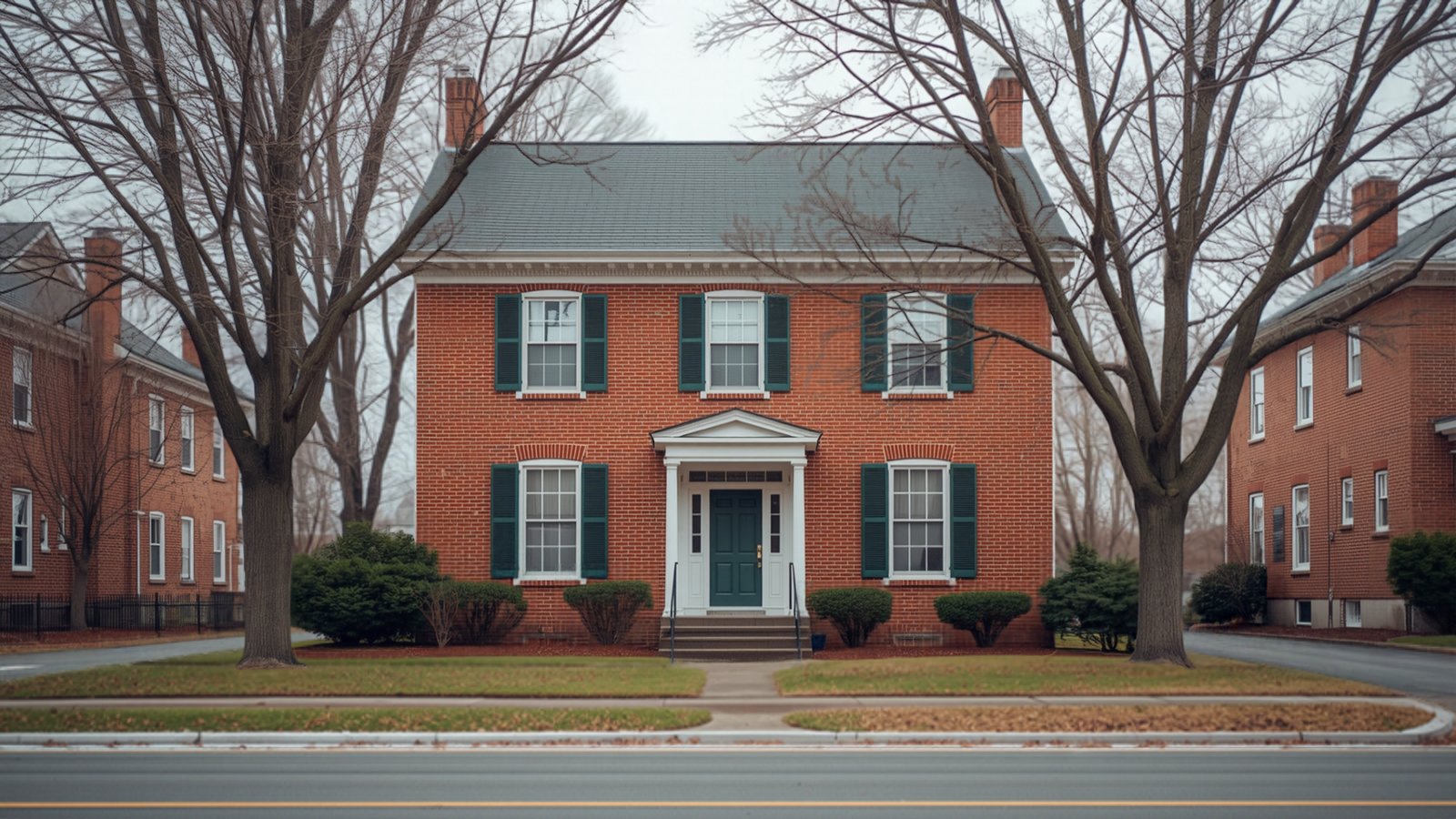
Can I sell a parent's Arlington home with a power of attorney? Often yes, if the document is valid and gives you authority over real estate. Under Virginia's Uniform Power of Attorney Act, general authority over real property lets an agent sell and convey the home. The details of your document, and what the title company will accept, decide it.
The Mike Webb Team (Mike and Claudia Webb, RE/MAX Allegiance) helps homeowners in Arlington, Northern Virginia, Maryland, and Washington, DC get their homes ready to sell and sold.
What does a power of attorney let an agent do with a house?
A power of attorney is a signed document in which one person, the principal, names another person, the agent, to act for them. Virginia's rules are in Chapter 16 of Title 64.2 of the Code of Virginia. Section 64.2-1625 says that, unless the document says otherwise, language granting general authority over real property lets the agent sell, exchange, convey, quitclaim, encumber, lease and otherwise dispose of an interest in real property. It also lets the agent manage the property, pay property taxes and make repairs. Source: Va. Code 64.2-1625, Real property.
That is why a power of attorney is one of the first papers to find when a parent in Arlington moves to assisted living or a memory care community and the house has to be sold. Read the actual document. Look for words about real property, selling and signing deeds. If the document is narrow, or limits the agent in any way, the limit controls.
Does the document have to be signed a certain way?
Yes. Section 64.2-1603 says the principal must sign the document, or another person must sign the principal's name in the principal's conscious presence and at the principal's direction. A signature is presumed genuine if the principal acknowledges it before a notary public. To be recorded in the land records, the document must meet the requirements of Va. Code 55.1-600, which lets a circuit court clerk record a writing that has been acknowledged or proved by two witnesses. Sources: Va. Code 64.2-1603 and Va. Code 55.1-600.
A deed signed by an agent usually goes into the land records, and the power of attorney that gave the agent authority is commonly recorded along with it. Ask the title company or settlement attorney handling the closing what they need. They decide what they will accept at the table, so ask early, before you list.
What if my parent can no longer manage on their own?
Many people worry that a power of attorney stops working when a parent becomes ill. In Virginia it usually does not. Section 64.2-1602 says a power of attorney created under the chapter is durable unless it expressly provides that it ends when the principal becomes incapacitated. Source: Va. Code 64.2-1602, Power of attorney is durable. Check your document for a sentence that says otherwise.
If there is no power of attorney and your parent can no longer sign one, the path is different and usually involves a court. Talk with an elder law or estate attorney about your options before you make any plan to list the home.
What duties does the agent have?
An agent cannot do whatever they like. Section 64.2-1612 requires an agent who has accepted the appointment to act in good faith, within the authority granted, and in line with the principal's reasonable expectations, or otherwise in a way that serves the principal. Unless the document says differently, the agent must also act loyally, avoid conflicts of interest, use reasonable care and keep a record of all receipts, disbursements and transactions made for the principal. If the principal, a guardian or another fiduciary asks for those records, the agent must provide them within 30 days or explain in writing why more time is needed. Source: Va. Code 64.2-1612, Agent's duties.
In plain words, keep a folder. Save the listing agreement, the contract, the settlement statement and every bill paid from the sale. Those papers protect you and your parent.
Can the agent be paid for the work?
Section 64.2-1610 says that, unless the document provides otherwise, an agent is entitled to reimbursement of expenses reasonably incurred for the principal and to compensation that is reasonable under the circumstances. Source: Va. Code 64.2-1610. If other family members are involved, talk openly about this before you sign anything, so nobody is surprised later.
When does the authority end?
Section 64.2-1608 lists the events. A power of attorney ends when the principal dies, revokes it, or the document says it ends, or when its purpose is accomplished. An agent's authority also ends if the agent dies, resigns or becomes a vulnerable adult, and, unless the document says otherwise, if a divorce, annulment or legal separation action is filed between the agent and the principal. Source: Va. Code 64.2-1608.
The most important point for a seller is the first one. If your parent dies before closing, the power of attorney ends, and the sale is handled under estate rules instead. Our posts Who Can Sign and Sell an Estate Home in Virginia? and Probate in Virginia: How Long It Takes, First Steps explain what happens then. Keep the timeline in mind when you set a closing date.
What else does the agent need to check before listing?
- The names on the deed. If your parent shares the title with a spouse or someone else, that person may also have to sign. Your power of attorney covers your parent, not the other owner.
- The mortgage or any loan against the home. Ask for a payoff figure from the lender in writing.
- Any gift or transfer language. Section 64.2-1622 says an agent may make gifts or change survivorship rights only if the document expressly grants that authority. A sale at fair market value is a different act than a gift, and the title company will want to see which one you are doing.
- Where the proceeds go. Money from the sale belongs to your parent. Plan a separate account and keep the records described above.
For the full text of the gift rules, read Va. Code 64.2-1622.
How do I get the house ready when I live far away?
The house often holds decades of belongings, and the person who knows where everything is cannot be there. Start with our post Where Do I Start Sorting 30 Years of Belongings in Arlington? and with What Should I Do With My House Before a Retirement Move? If you are not nearby, our post Can I Sell My Arlington Home If I Already Moved Away? covers working from a distance.
Through The White Glove Home Sale Method, every seller we work with receives preparation at no additional cost, including painting, repairs, deep cleaning, staging, landscaping and removal of unwanted items, so you do not have to coordinate contractors yourself. We assess the home, prepare it, position it, launch it, negotiate and help with the move. If you hold a power of attorney, we will walk through the home with you or your parent's representative and agree on a plan before anything starts.
A short checklist before you call an agent
- Find the original power of attorney and read what it says about real property and selling.
- Check that it is signed and notarized, and ask whether it is recorded.
- Look for any sentence that ends it on incapacity.
- Confirm who is on the deed and who has to sign.
- Ask the lender for a payoff figure in writing.
- Call the title company early and ask what they need to see.
- Keep a record of every receipt, payment and decision.
This post is general information, not legal advice. Every power of attorney is different, so ask an elder law or estate attorney to read yours before you sign a listing agreement.
For more on selling a family home, see our inherited home and probate guide.
Explore more
FAQ
Does a Virginia power of attorney stop working if my parent becomes ill?
Not usually. Va. Code 64.2-1602 makes a power of attorney durable unless it expressly says it ends on incapacity. Read your document for that sentence.
Does the power of attorney still work after my parent dies?
No. Va. Code 64.2-1608 says it ends when the principal dies, and the home is then handled through the estate.
Does the agent have to keep records of the sale?
Yes, unless the document says otherwise. Va. Code 64.2-1612 requires an agent to keep a record of receipts, disbursements and transactions made for the principal.
Call or text Claudia at 703-350-3884 or visit claudiawebb.com.
The Mike Webb Team, RE/MAX Allegiance. Arlington, Virginia. Equal Housing Opportunity.